
Travel gear gets weirdly aspirational, fast. A normal weekend road trip or campsite setup does not require a roof box full of battery stations, tactical lanterns, and titanium everything. Most people need a much simpler kit: a way to deal with tire pressure, a way to make a hot drink, a way to sl...
Travel gear gets weirdly aspirational, fast. A normal weekend road trip or campsite setup does not require a roof box full of battery stations, tactical lanterns, and titanium everything. Most people need a much simpler kit: a way to deal with tire pressure, a way to make a hot drink, a way to sleep somewhere unfamiliar, a way to keep bugs out, and a way to stop the one wall outlet in the motel room from becoming a family argument. The useful travel tech is usually the boring stuff that solves one small problem at exactly the right moment.
This is not a hands-on review. It's a realistic, publishable guide to what's actually worth packing for road trips, campsites, cabins, and short travel when space matters and every extra pound needs to justify itself. The products below are organized by the role they play in a travel kit, not by hype. Everything comes from products already covered on Celmin, with links to each full explainer and Directory listing.
The 10-item travel kit
| Product | Price (CAD) | Tier/Category | Backpack-friendly? |
|---|---|---|---|
| OlarHike Tire Inflator | ~$45 | Tier 1 — car & tire essentials | Yes |
| One Beat Surge Protector | ~$14 | Tier 1 — power basics | Yes |
| Gritin Book Light | ~$22 | Tier 1 — sleep & reading | Yes |
| JBL Go 4 | ~$33 | Tier 1 — compact audio | Yes |
| KeySmart iPro | ~$51 | Tier 1 — don't-lose-it gear | Yes |
| Touxila Travel Kettle | ~$35 | Tier 2 — comfort upgrade | Yes |
| TESSAN European Adapter | ~$33 | Tier 2 — international add-on | Yes |
| Mdavo Mesh Screen | ~$25 | Tier 2 — cabin & trailer comfort | Yes, folded |
| Hatch Restore 2 | ~$11 | Tier 3 — only if sleep matters a lot | Borderline |
| Second OlarHike? No. Save the space. | — | Sanity check | Also yes |
Pro tip: The highest-leverage purchase here is not the speaker or the sleep gadget. It's a portable tire inflator. If you drive to campgrounds, cottages, trailheads, or long-distance destinations, the product that saves a trip most often is the one that gets a low tire from "problem" back to "manageable" in minutes. Start there, then build out comfort items after.
The three buckets of travel tech that actually matter
For travel, the useful divide is not "premium" versus "budget." It's what solves a real problem on the move, what simply makes a trip nicer, and what only earns a spot if you care enough to carry it.
Tier 1 — Fixes problems. These are the things that handle flat-ish tires, limited outlets, late-night reading, misplaced keys, or having some music without hauling a full speaker. They are small, cheap enough, and useful often enough that they justify permanent residence in a backpack or trunk.
Tier 2 — Makes travel more livable. This is the comfort layer: hot water where the room coffee machine is disgusting, a screen barrier for buggy doors, or an adapter that stops international travel from turning into charger roulette. None of these are survival items. All of them can improve a trip more than an expensive suitcase ever will.
Tier 3 — For people with one very specific priority. Sleep tech lives here. If you sleep badly in cabins, motels, relatives' guest rooms, or bright summer mornings, you may care a lot. If you can sleep anywhere, this is dead weight. That's the right way to think about it.
Tier 1 — The problem-solvers
OlarHike Tire Inflator — the one gadget that can save the whole trip
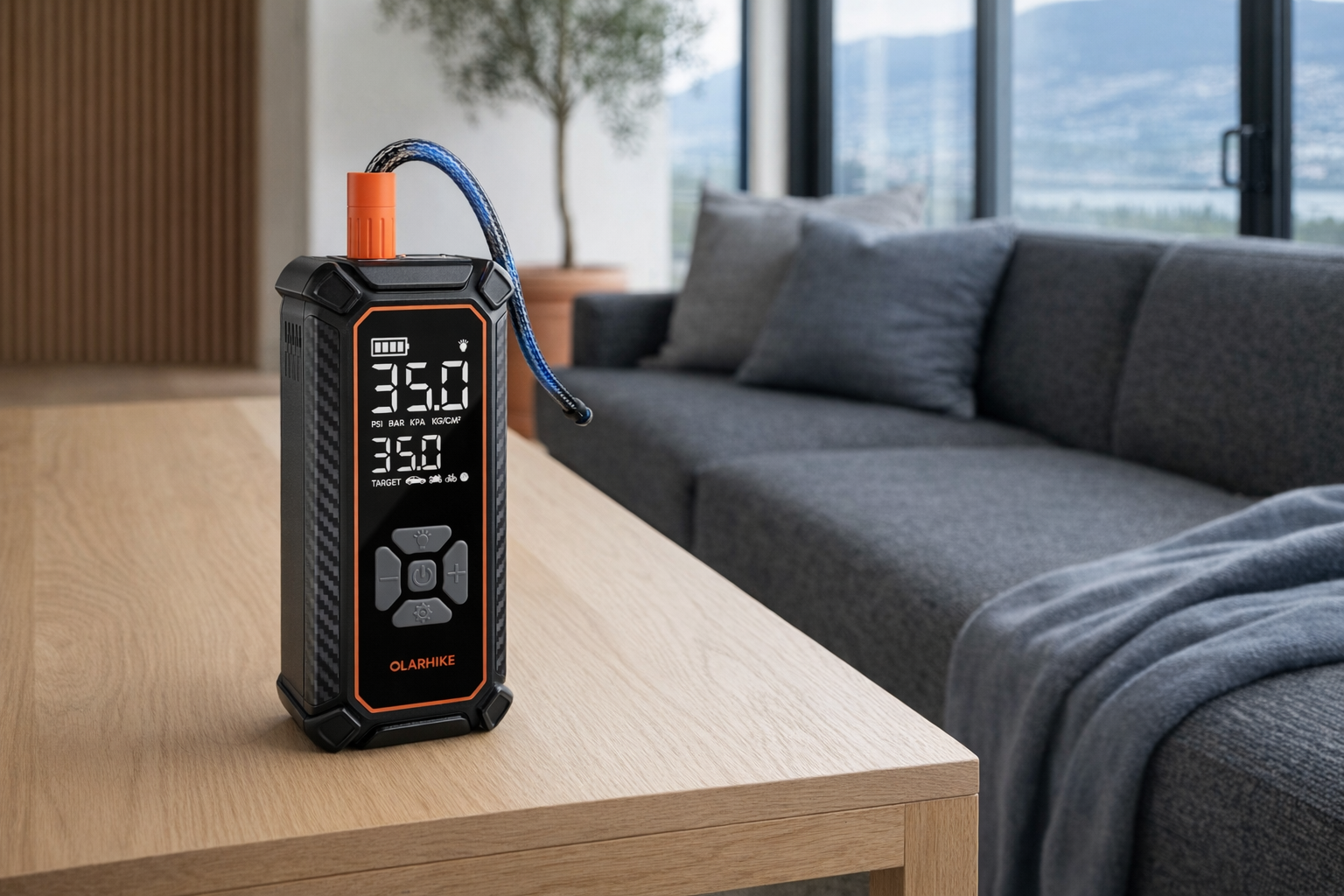
The anchor product here is the most practical one: the OlarHike Tire Inflator Portable Air Compressor. At about $45 CAD, it does the least glamorous job in this guide and is still probably the smartest thing to pack. According to the listing, it's a 150 PSI portable inflator with dual power: a built-in 6000mAh battery for cordless use and a 12V DC car plug when you want the security of vehicle power. That's a more honest design than the battery-only inflators that look sleek until they're empty when you need them.
The listing also claims it can take a standard car tire from 30 to 35 PSI in 55 seconds, which is exactly the kind of number that matters more than brand storytelling. Add the auto shut-off, digital pressure gauge, 4 preset modes for cars, bikes, motorcycles, and balls, and a compact 1.2 lb body with storage bag, and this lands in the sweet spot of "small enough to carry, useful enough to matter." If you're driving around northern highways, cottage roads, gravel campground lanes, or just dealing with seasonal temperature swings, a portable inflator is not overkill. It's what keeps a soft tire from hijacking the day. The only honest caveat: this is for topping up and dealing with manageable tire-pressure problems, not pretending a damaged tire is fine forever.
- Best for: drivers doing road trips, campground runs, cottage weekends, bike hauling, or any travel where a service station may be inconvenient
- Full explainer: OlarHike Tire Inflator Portable Air Compressor on Celmin · Directory: product page
One Beat Surge Protector Outlet Extender — the motel-room peace treaty
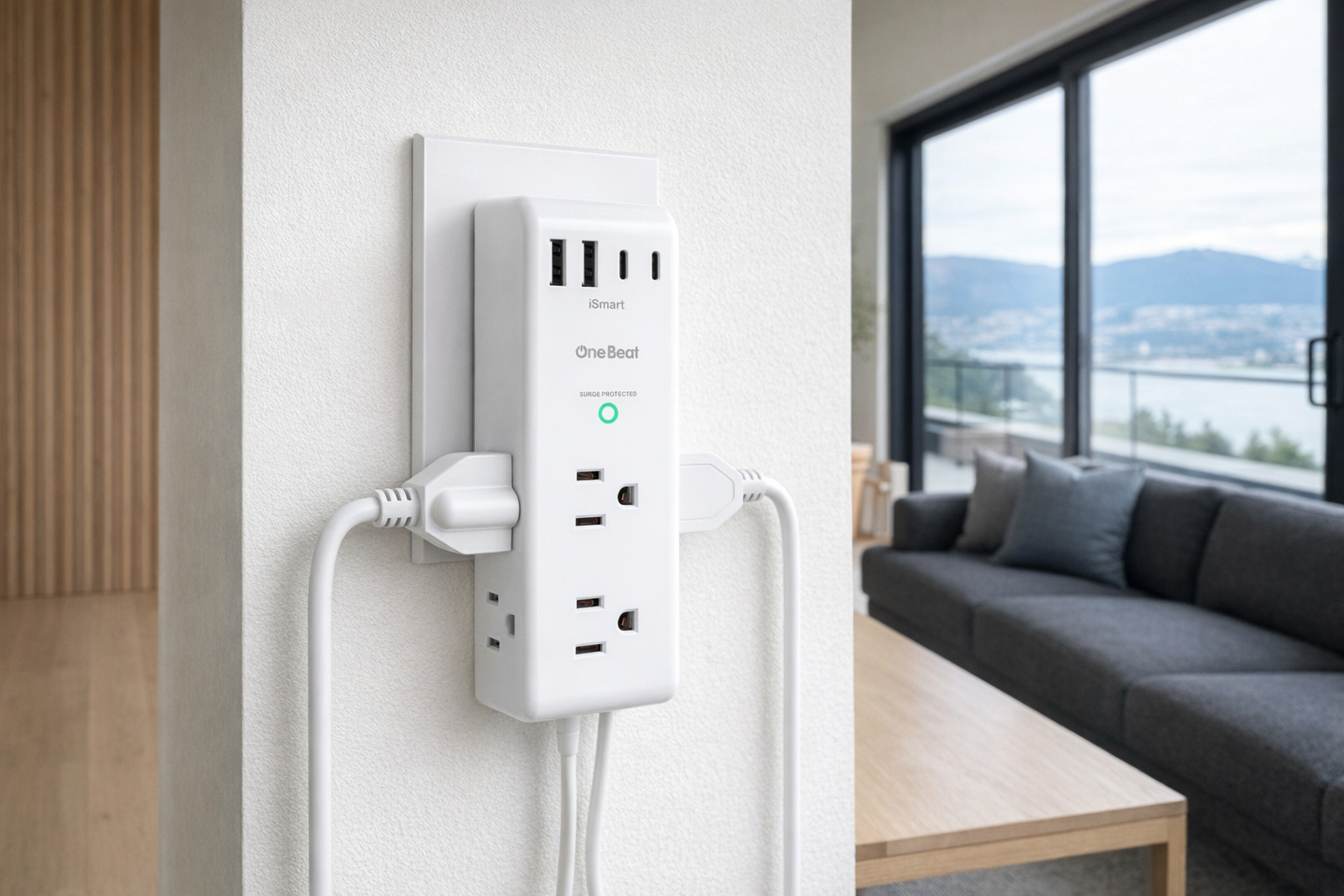
The One Beat Surge Protector Outlet Extender is exactly the kind of travel product people buy once and then keep forever. For roughly $14 CAD, it turns one awkward wall outlet into a 10-in-1 charging station with 6 AC outlets, 2 USB-A, and 2 USB-C ports. The important part is not the math; it's the layout. A 180-degree rotating plug and 3-sided design are what make it useful in old hotel rooms, cabins with furniture shoved in front of outlets, or airport-adjacent rooms where somehow the only accessible plug is behind the nightstand.
There is also actual protection here: 1800J surge protection, ETL certification, and a 1382°F fire-resistant ABS shell, according to the listing. That's more reassuring than the cheap no-name outlet cubes that multiply plugs while inspiring very little confidence. At 5.7 x 1.9 x 1.7 inches, it's still compact enough to justify packing. The mild downside is obvious: it's for places where you already have wall power, not for tent-only camping. But for road-trippers, cabin stays, family travel, and work trips, this is one of the cheapest ways to reduce friction.
- Best for: hotels, motels, Airbnbs, cabins, and any room where three people have five devices and one plug
- Full explainer: One Beat Surge Protector Outlet Extender on Celmin · Directory: product page
Gritin 19 LED Rechargeable Book Light — the tiny sleep-friendly light that earns its spot
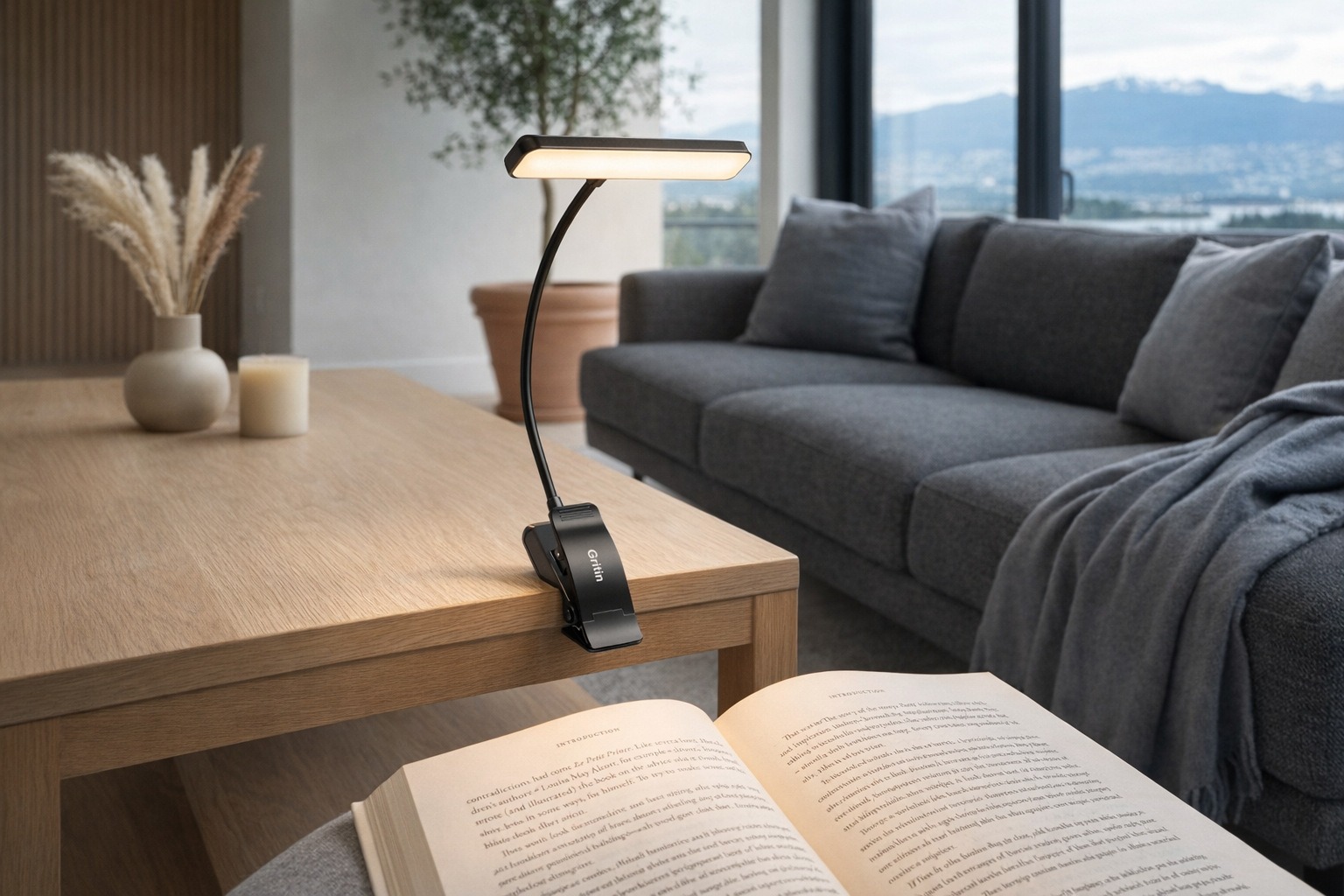
There are two ways to handle light while traveling: blast the whole room and annoy whoever is beside you, or use a small dedicated reading light that does one job properly. The Gritin 19 LED Rechargeable Book Light is the second option, and at ~$22 CAD it's a very reasonable one. According to the listing, it uses 19 LED lamp beads in a horizontal head design for wider illumination, with 3 colour temperatures: 1800K amber, 3400K mixed, and 6000K white. That's unusually specific for a cheap travel light, and it matters. Amber light is a lot more realistic for late-night reading in a tent, bunk, cabin room, or shared hotel bed than harsh white LEDs.
The rest of the spec sheet is exactly what you want to see: stepless dimming from 10% to 100%, a 1200mAh battery with 12 to 90 hours of runtime, memory function, and a 360-degree flexible gooseneck with non-slip clip. This is a narrower purchase than a flashlight, but more useful than people think if they read in bed, travel with kids, or want a low-glare light without turning on the room's interrogation lamp. Honest opinion: this is one of the least sexy products in the guide and one of the easiest to justify.
- Best for: readers, parents, bunk rooms, tents, and anyone who wants light without waking everybody else
- Full explainer: Gritin 19 LED Rechargeable Book Light on Celmin · Directory: product page
JBL Go 4 — the sensible small speaker, not the obnoxious one
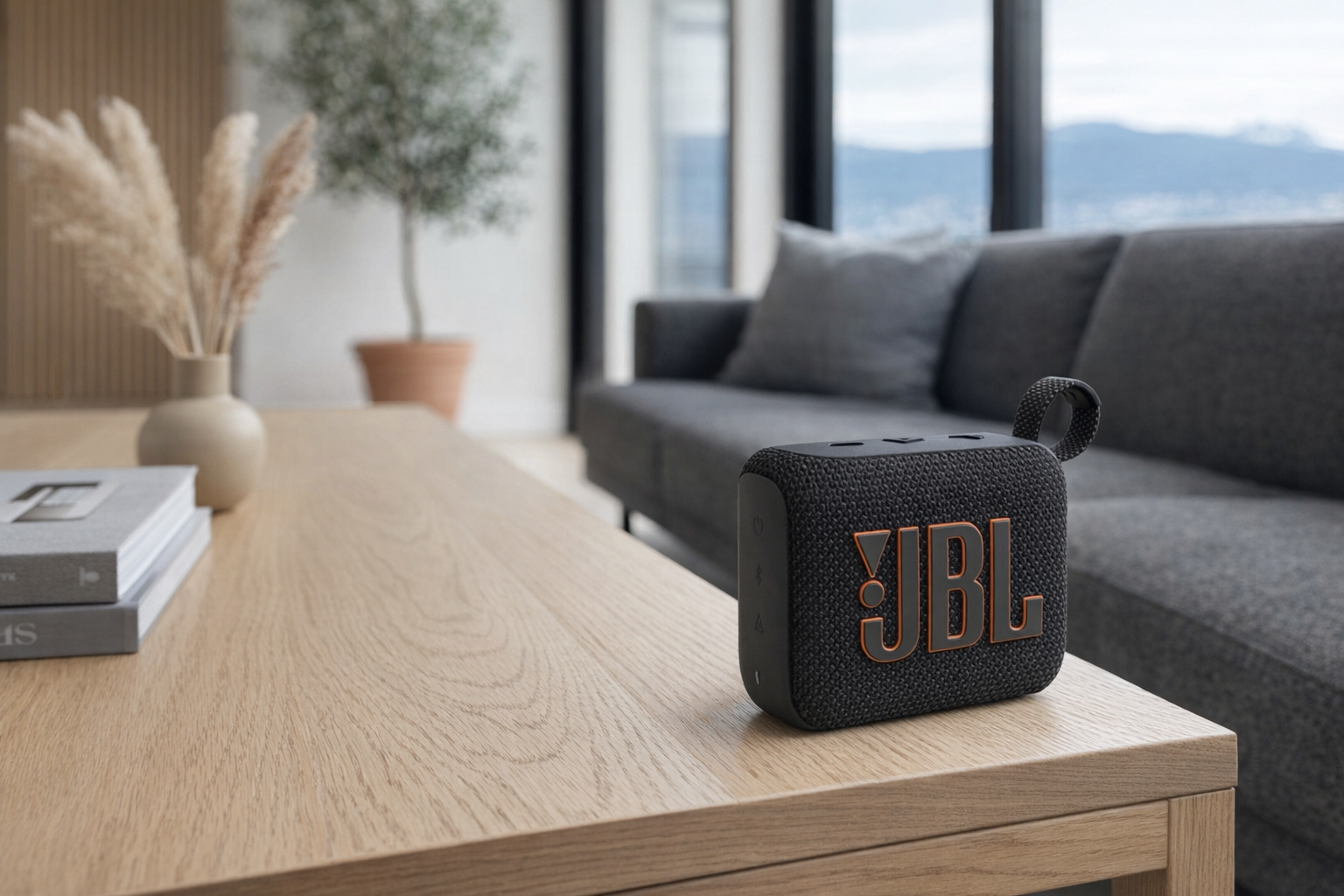
A travel speaker only makes sense if it's truly small. Otherwise it turns into one more thing you lug around while your phone speaker does a mediocre impression of the same job. The JBL Go 4, at around $33 CAD, is the kind of compact speaker that clears that bar. The dossier doesn't supply detailed specs beyond the brand, category, and strong 4.8/5 source-listing rating, so the cautious read is simple: this is a mainstream ultra-portable speaker from a brand people already know, at a price low enough that you're not treating it like a fragile luxury object.
For beach days, cabin porches, picnic tables, motel rooms, and road-trip stops, that matters. The real question is not "do I want amazing sound?" It's "do I want better sound than a phone without carrying a brick?" The Go 4 is appealing precisely because it appears to target that modest goal. It is also the kind of product that should be used with some social restraint. Portable speakers are great. Portable-speaker people are not always great. Pack it for your group, not for the entire campsite.
- Best for: beach bags, picnic tables, cabins, road trips, and travelers who want compact music without hauling a full-size speaker
- Full explainer: JBL Go 4 on Celmin · Directory: product page
KeySmart iPro — useful if you're the kind of person who loses keys in a duffel bag
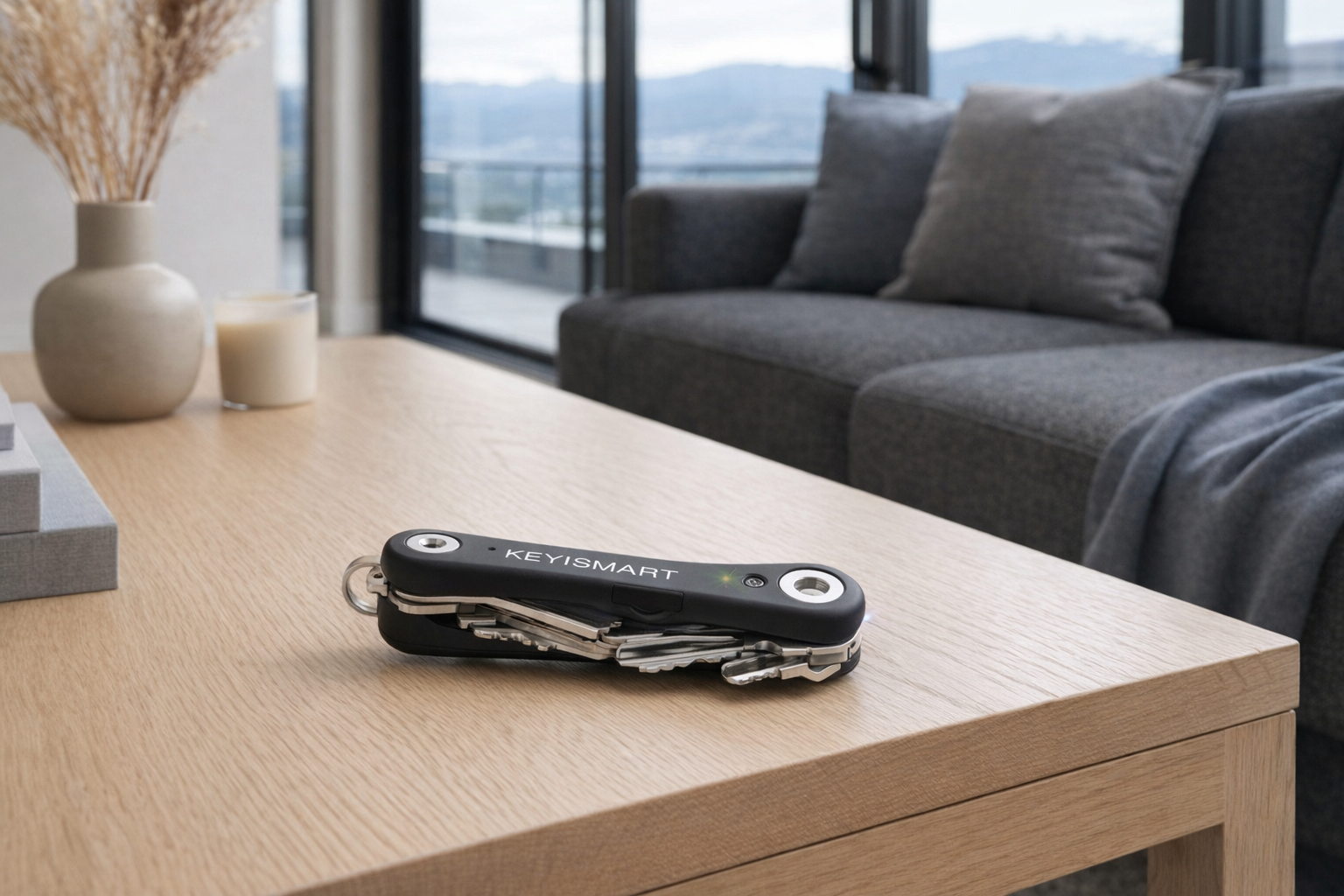
The KeySmart iPro is a more personality-dependent pick than the inflator or surge protector. At roughly $51 CAD and a lower 3.8/5 source-listing rating, it is not a universal recommendation. But travel has a special talent for making people misplace things: cabin keys, rental keys, locker keys, little keys that vanish into backpack linings and coat pockets. A product called KeySmart iPro, from a brand called Key Smart, in a "Unique & Lifestyle" category, strongly suggests the value proposition is key organization plus some sort of smarter tracking-oriented convenience. Without supplied specs, that's as far as honesty should go.
The reason it still belongs in this guide is simple: key clutter is one of those tiny travel annoyances that can punch above its weight. If you carry several keys and hate jangling, or if you know you're forgetful when moving between car, cabin, trail washroom, and room, a product in this category can be worth it. If you carry one house key and a car fob, it probably isn't. That's the opinionated take here: this is useful for a narrower audience than the marketing likely implies.
- Best for: travelers juggling multiple keys, rental stays, locker use, and people who routinely misplace small essentials
- Full explainer: KeySmart iPro on Celmin · Directory: product page
Tier 2 — The comfort layer
Touxila Travel Electric Kettle 400ml — the hotel-room coffee bypass
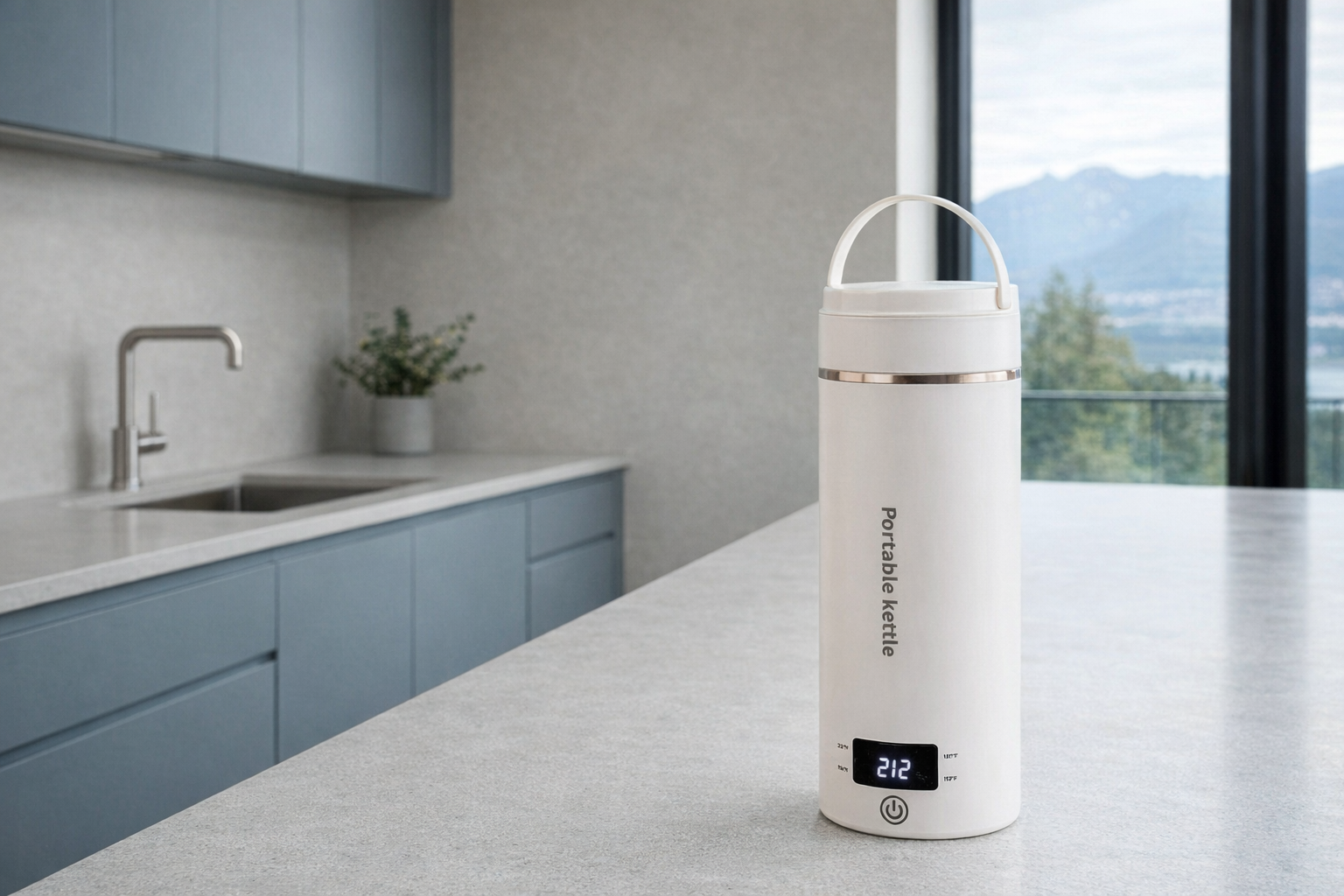
The Touxila Travel Electric Kettle 400ml is what you buy when you are tired of pretending the in-room coffee machine is fine. At about $35 CAD, it gives you a compact personal boiler with 400ml capacity, a 304 stainless steel inner pot, and 4 temperature presets: 212°F, 176°F, 131°F, and 113°F, shown on an LCD display. That is a more thoughtful feature set than many larger budget kettles get. Tea drinkers, instant-coffee people, parents making warm water on the go, and anyone eating noodles in a motel room will immediately understand the appeal.
The size also makes sense for travel: 8.66 inches tall and 1.1 lbs. That's small enough to go in a backpack or weekender without feeling absurd. The listing says it boils in 9 to 12 minutes, which is not especially fast by kitchen standards, but that's the wrong comparison. This is a compact travel appliance, not a full-size countertop kettle. It also includes auto shut-off and boil-dry protection, which are table-stakes features but worth having. Honest verdict: if hot water is central to your routine, this is smarter than overpaying for roadside coffee twice a day. If not, don't pack an appliance out of optimism.
- Best for: tea drinkers, instant coffee, oatmeal, noodles, baby-bottle routines, and anyone skeptical of shared hotel coffee makers
- Full explainer: Touxila Travel Electric Kettle 400ml on Celmin · Directory: product page
Mdavo Mesh Screen with Magnetic Closure — a bug fix for cabins and trailers
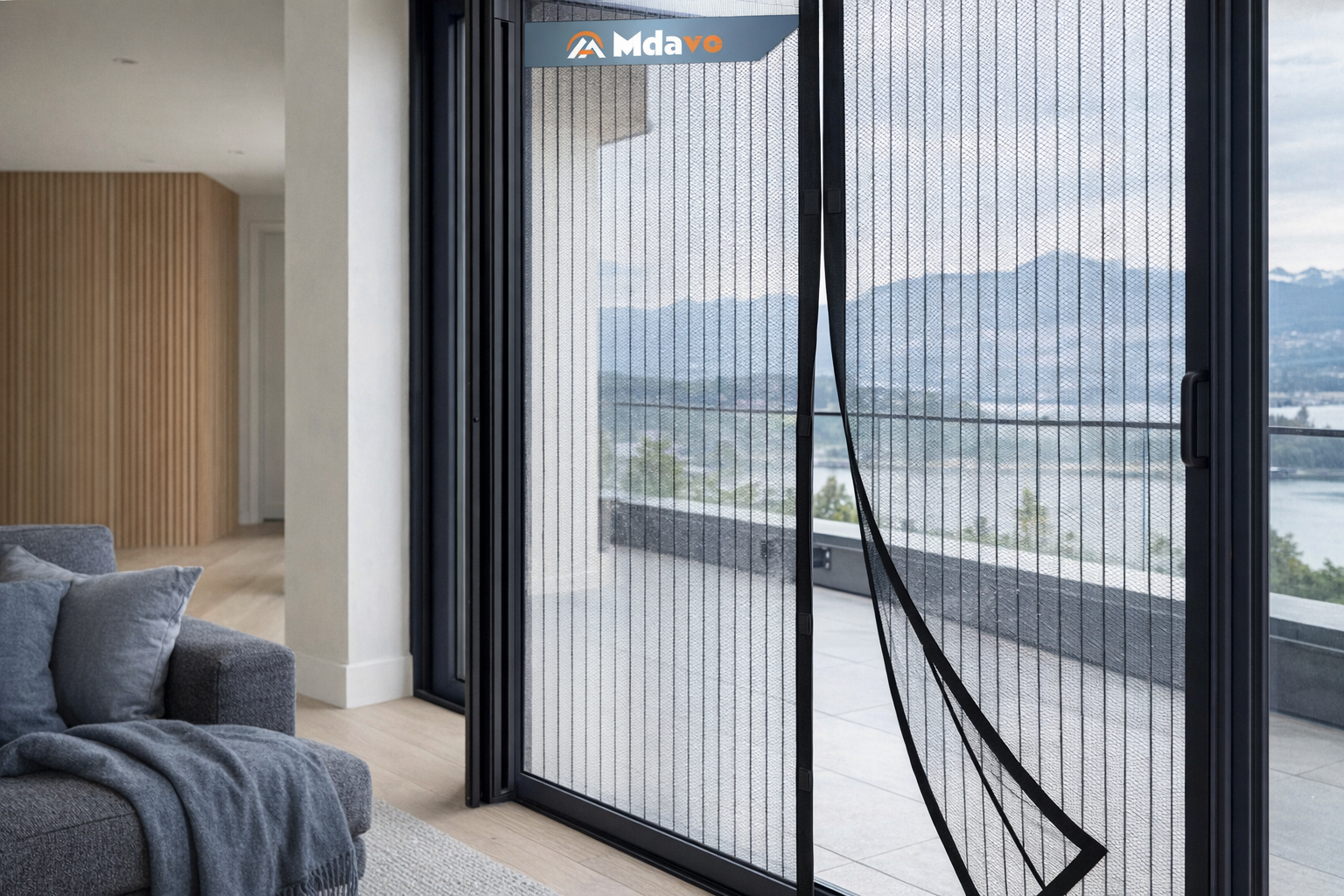
The Mdavo Mesh Screen with Magnetic Closure is the oddball item in this guide, and also one of the most practical for a very specific kind of travel. At around $25 CAD, it gives you a portable magnetic screen door sized 38 x 82 inches, using 34 magnetic cubes to close itself after you walk through. The material is described as heavy-duty polyester mesh, and the whole thing is removable, foldable, washable, and tool-free to install with self-adhesive hook tape.
This is not for hotel travelers. It is for cabins, trailers, seasonal setups, and cottage doors where people keep going in and out while mosquitoes audition for a blood donation clinic. In those situations, this kind of screen can do more for comfort than an expensive gadget. Fresh air matters. Not inviting every bug in the region inside matters more. The caveat is obvious: you need the right doorway and the patience to install it properly. But if you spend time somewhere buggy and semi-rustic, this is the kind of low-drama solution that earns its keep.
- Best for: cabins, trailers, cottages, bunkies, and summer doors that are opened 40 times a day
- Full explainer: Mdavo Mesh Screen with Magnetic Closure on Celmin · Directory: product page
TESSAN European Plug Adapter USB C 2-Pack — essential for Europe, irrelevant for Algonquin
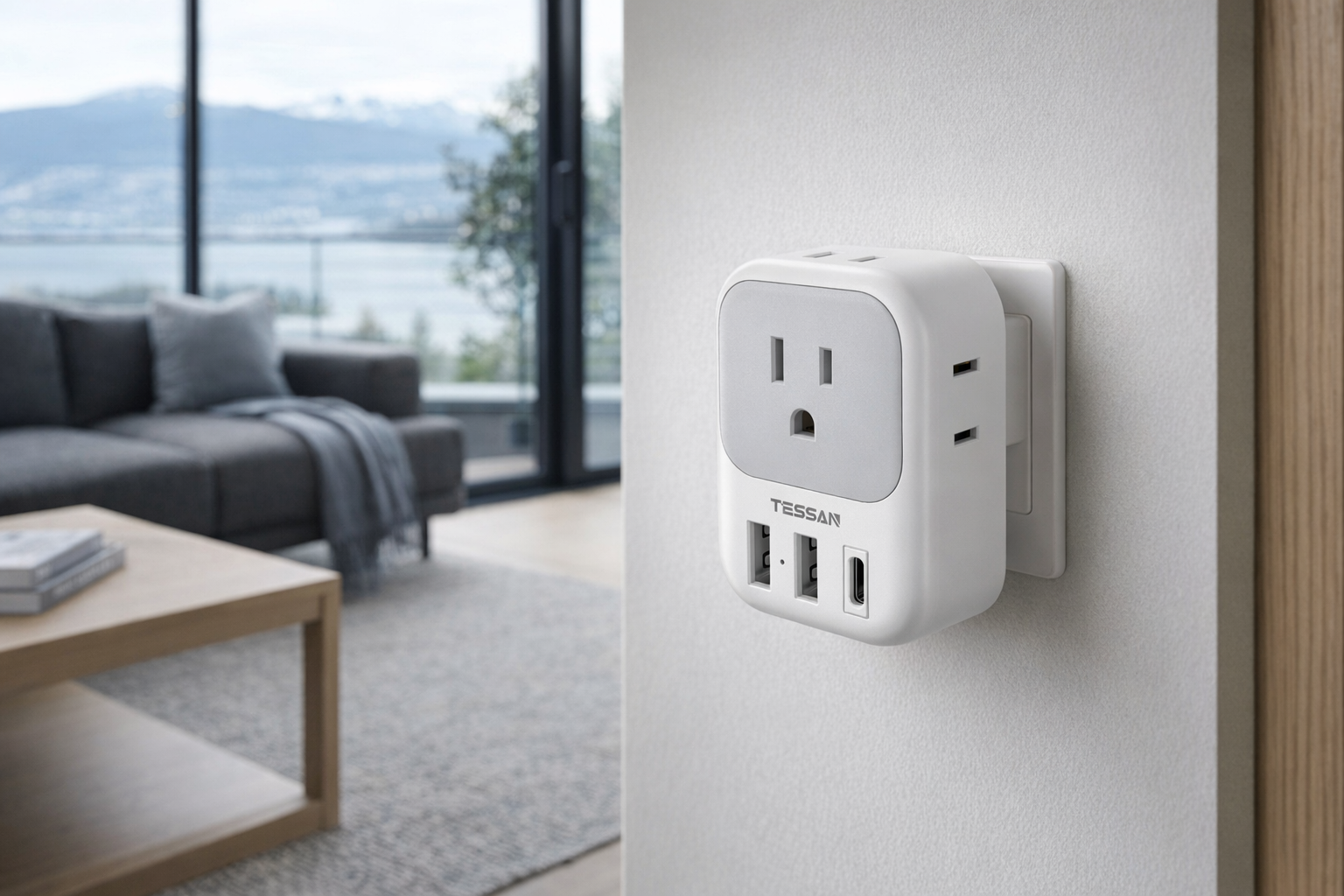
The TESSAN European Plug Adapter USB C 2-Pack is the only product here that is fantastic for one travel context and useless for another. If your "travel" means Ontario parks, Quebec cabins, or B.C. road trips, skip it. If your travel includes Europe, it is the exact sort of adapter you want: compact, simple, and able to charge multiple devices without bringing a separate charging brick for each. At about $33 CAD, you get a 2-pack of Type C plug adapters with 4 AC outlets, 1 USB-C up to 15W / 3A, and 2 USB-A ports.
The compact footprint is a real part of the appeal: 2.24 x 3.14 x 2.65 inches and just 3.48 ounces. It also supports 100-250V dual-voltage devices, but crucially is not a voltage converter. That's the line too many travelers miss. If your device isn't dual voltage, no travel adapter is going to rescue it. The honest judgment here is that TESSAN appears to be selling convenience, not magic, and that's good. A travel adapter should be boring and competent. That's the goal.
- Best for: Europe-bound travelers carrying phones, tablets, chargers, and other dual-voltage electronics
- Full explainer: TESSAN European Plug Adapter USB C 2-Pack on Celmin · Directory: product page
Tier 3 — Only if this is your thing
Hatch Restore 2 — for travelers who prioritize sleep enough to pack for it
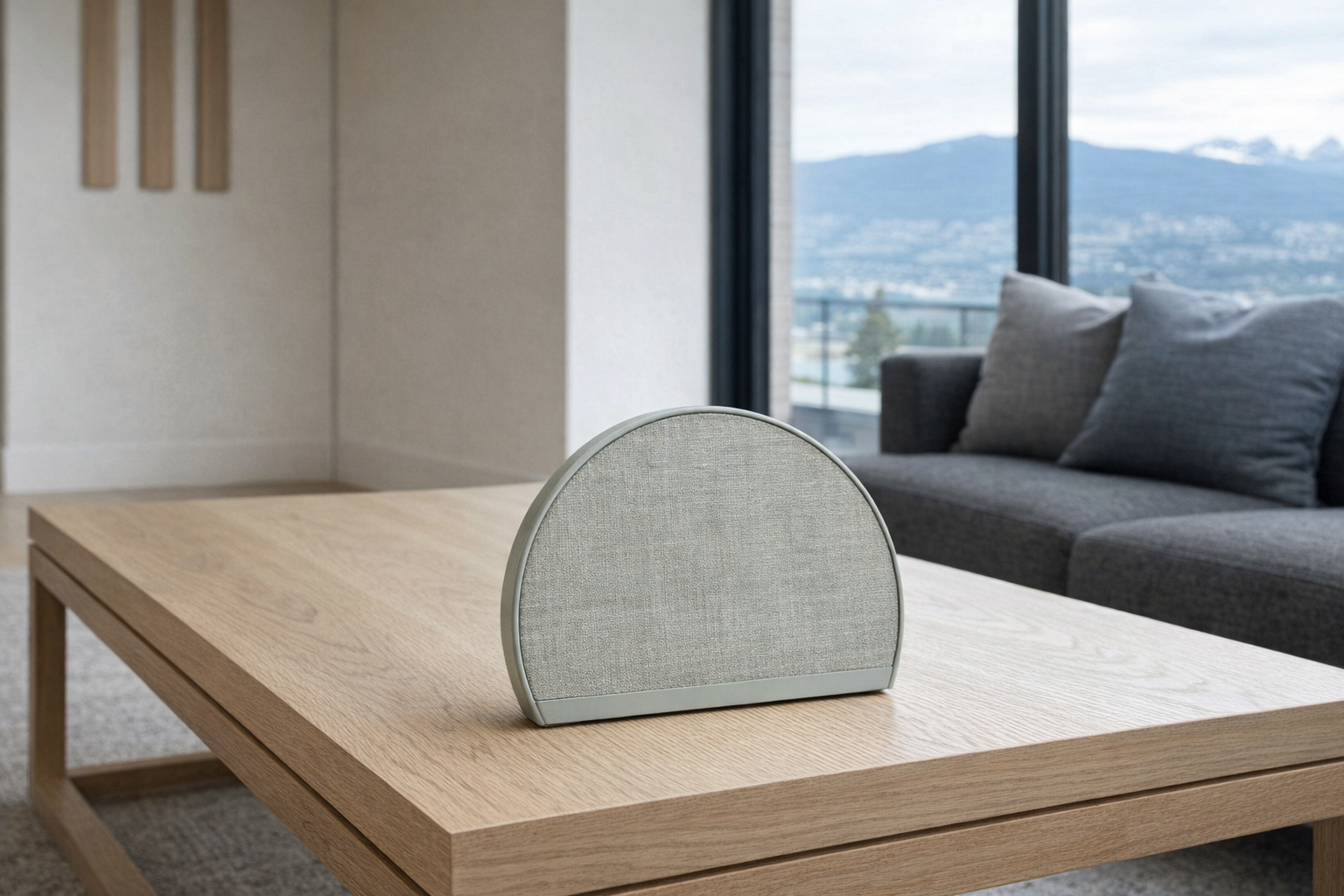
The Hatch Restore 2 is the most debatable item in this guide. The supplied dossier is sparse: no detailed specs, no listed feature breakdown, just the product name, the Hatch Baby brand, "Unique & Lifestyle" category, a 4.2/5 rating, and a surprisingly low ~$11 CAD typical price on the source listing. Because the article link on Celmin refers to light alarms and sleep routines, the fair read is that this belongs in the sleep-support category rather than general camping utility.
That makes it a niche pack. If bad sleep ruins your trips, then a dedicated sleep device can be more valuable than a speaker or kettle. If you can sleep through anything, this is unnecessary bulk. That's the opinionated answer. Travel sleep products are easy to overestimate because they sound comforting while you're packing. The real question is whether you will still be glad you gave them space after your clothes, chargers, toiletries, and actual essentials are in the bag. Some people absolutely will. Most casual travelers probably won't.
- Best for: light-sensitive sleepers, routine-dependent sleepers, and travelers who know poor sleep derails the next day
- Full explainer: Hatch Restore 2 on Celmin · Directory: product page
The order to buy these in
One mistake people make with travel gear is over-packing niche comforts before they handle the plain, annoying problems that happen every trip. A realistic buying order, with a running total, looks like this:
- OlarHike Tire Inflator Portable Air Compressor — ~$45
Running total: ~$45
If you drive, start here. It is the most trip-saving item in the whole guide. - One Beat Surge Protector Outlet Extender — ~$14
Running total: ~$59
Cheap, compact, and useful almost every time you sleep somewhere with questionable outlet access. - Gritin 19 LED Rechargeable Book Light — ~$22
Running total: ~$81
Better sleep hygiene, better reading, less room-light chaos. - JBL Go 4 — ~$33
Running total: ~$114
Add this if you actually spend time outdoors, at the beach, or in cabins with friends. - Touxila Travel Electric Kettle 400ml — ~$35
Running total: ~$149
Only if hot water is part of your routine. If not, skip it without guilt. - Mdavo Mesh Screen with Magnetic Closure — ~$25
Running total: ~$174
Worth it for cabin or trailer people; irrelevant for hotel people. - KeySmart iPro — ~$51
Running total: ~$225
Add only if key clutter or losing keys is a real recurring problem. - TESSAN European Plug Adapter USB C 2-Pack — ~$33
Running total: ~$258
Buy only if you're actually going to Europe. Not sooner. - Hatch Restore 2 — ~$11
Running total: ~$269
Last, because sleep gadgets are personal and very easy to romanticize.
For most readers, the sensible stopping point is step 5, around $149 CAD. At that point you have tire support, charging sanity, personal reading light, compact audio, and hot water if you care about it. That's a real travel kit, not a shopping spree.
The three questions worth asking before you buy anything
- Am I driving, flying, or doing both?
Driving makes the inflator, kettle, and cabin accessories easier to justify. Flying makes size and weight matter more, which pushes you toward the book light, speaker, key organizer, and outlet gear. - Is this for tents, cabins, hotels, or international city travel?
Tents reward low-weight basics. Cabins reward bug control and room comfort. Hotels reward power management and hot water. Europe rewards an adapter and common sense about voltage. - What problem annoys me every single trip?
Low tire pressure? Bad coffee? Not enough outlets? Bright hotel lamps? Losing keys? Start there. Travel gear works best when it's solving your real annoyance, not an imaginary future identity.
Got Questions About Travel & Camping Tech? Let's Clear Things Up.
Is this a hands-on review?
No. This is an editorial buying guide built from listed product details and realistic travel use cases, not first-person testing. The goal is to help you decide what belongs in a compact travel kit and what probably doesn't.
What matters more for this kind of kit: battery size, weight, or durability?
Usually weight first, then usefulness, then durability cues from the listing. A product can have a nice spec sheet, but if it's too bulky to bring, it doesn't matter. That's why a 1.2 lb tire inflator or 1.1 lb travel kettle can make sense, while a larger gadget with marginally better performance often doesn't.
Is a portable tire inflator really worth carrying?
If you drive regularly on road trips, yes. The OlarHike's 6000mAh battery, 12V backup power, and auto shut-off make it exactly the sort of product that earns permanent trunk space. It is not a replacement for tire repair or roadside assistance, but it can absolutely be the difference between "minor delay" and "trip derailed."
Is the travel kettle safe to use in hotels and cabins?
According to the listing, the Touxila includes auto shut-off and boil-dry protection, which are the core safety features you'd want. You still need to use common sense, confirm the room's rules if relevant, and make sure you're plugging it into appropriate power. A travel kettle is a small appliance, not a toy.
What if I'm mostly staying in cabins or trailers, not hotels?
Then the Mdavo Mesh Screen with Magnetic Closure becomes much more interesting, and the outlet extender is still useful. Cabin travel often means fresh air plus bugs, fewer outlets, and more shared spaces. That changes what "worth packing" looks like. The guide is intentionally mixed because "travel" is not one thing.
Do I need the European adapter if I'm only bringing phone chargers?
Only if you're actually traveling to countries that use the Type C format and your chargers support 100-250V dual voltage. The TESSAN adapter is not a voltage converter. That's not a flaw; it's just a limit you need to understand before you toss it in the bag and assume it solves everything.
Where should I verify the latest pricing and details?
Check current listings directly before buying: OlarHike Tire Inflator Portable Air Compressor · Touxila Travel Electric Kettle 400ml · JBL Go 4 · Gritin 19 LED Rechargeable Book Light · KeySmart iPro · TESSAN European Plug Adapter USB C 2-Pack · Mdavo Mesh Screen with Magnetic Closure · Hatch Restore 2 · One Beat Surge Protector Outlet Extender.
What would Celmin recommend as a first purchase for a brand-new travel kit?
For most people: the One Beat Surge Protector Outlet Extender at ~$14 CAD if you want the cheapest universally useful buy, or the OlarHike Tire Inflator Portable Air Compressor at ~$45 CAD if you road-trip even a few times a year. If you drive, the inflator is the better foundation. If you mostly fly or stay in hotels, the outlet extender is the safer first pick.
If you're building a smarter home in Canada and want honest comparisons of gadgets worth considering — plus the ones worth skipping — Celmin covers the full catalog without the marketing theater. More comparisons, reviews, and buyer guides at https://celmin.ca.
Discussion
Sign up or sign in to join the conversation.