
The Hatch Restore 2 sits in an interesting corner of the sleep-tech market: it is not just an alarm clock, not quite a bedside lamp, and not really a medical light-therapy device either. It is best understood as a guided sleep-and-wake system — a bedside device built to use light, sound, an...
The Hatch Restore 2 sits in an interesting corner of the sleep-tech market: it is not just an alarm clock, not quite a bedside lamp, and not really a medical light-therapy device either. It is best understood as a guided sleep-and-wake system — a bedside device built to use light, sound, and routines to make mornings less abrupt and evenings a little less screen-heavy. That sounds simple, but the category has become crowded with inflated claims about circadian health, sleep optimization, and "natural" waking. The useful question is not whether the Hatch Restore 2 is magical. It is whether this style of sunrise alarm is grounded in real sleep science, and whether Hatch does anything meaningfully better than cheaper options.
This article is not a hands-on review. Nothing here is based on personally testing the device. Instead, this is a plain-English explainer built around the product listing, what is publicly known about sunrise alarms and wake-up light research, and how the Hatch Restore 2 compares with the broader market. If you are trying to decide between the Hatch, a basic sunrise clock, or simply keeping your phone alarm and buying a lamp, this is for you.
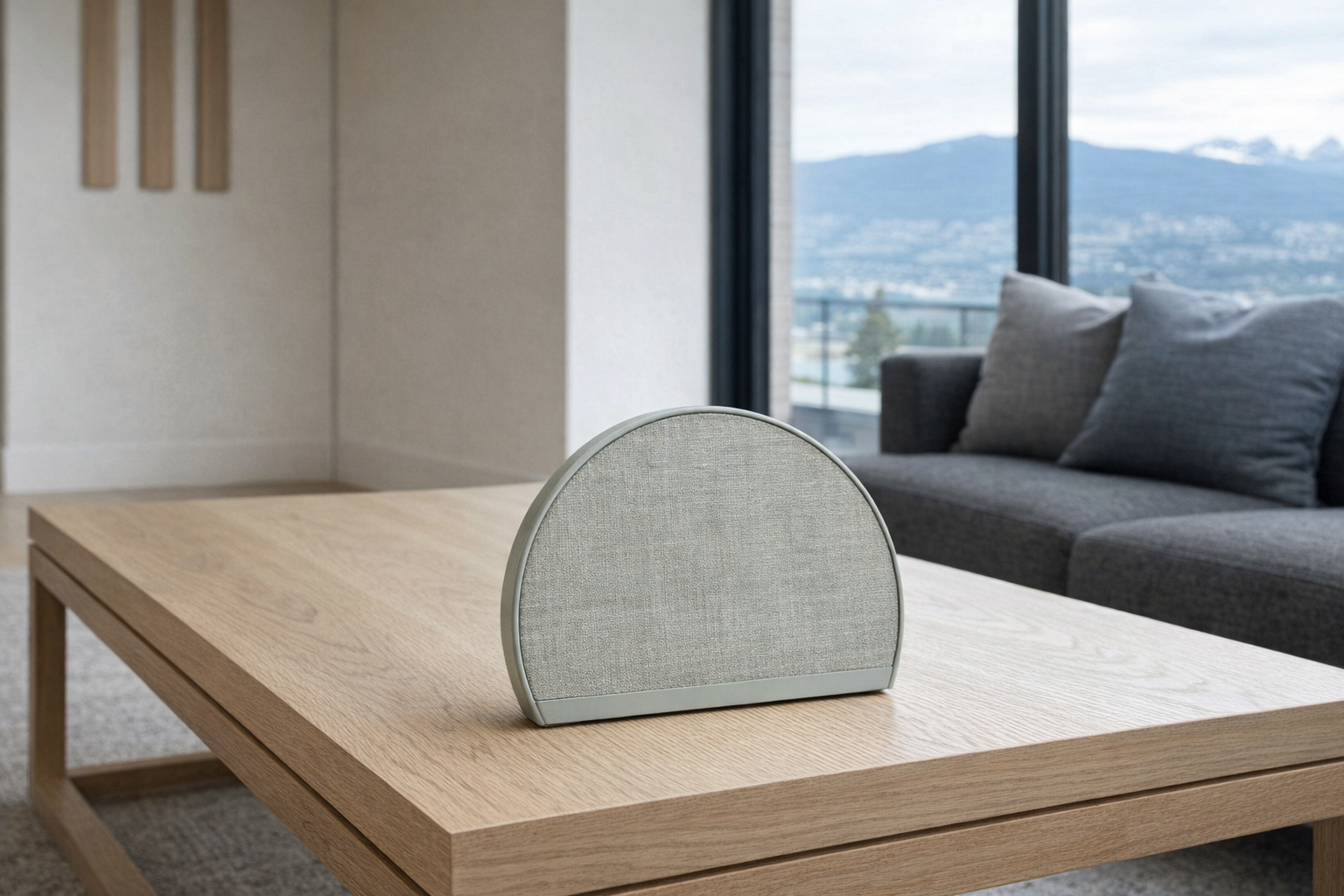
Quick snapshot
| Question | What the Hatch Restore 2 actually is |
|---|---|
| Category | Unique & Lifestyle |
| Made by | Hatch Baby |
| Typical price | Pricing varies — check current Canadian listings |
| Rating signal | 4.2/5 on the source listing |
| Best for | Light sleepers, phone-alarm haters, people trying to build a real bedtime routine |
| Skip if | You want a cheap alarm clock, dislike app-tied products, or expect medical-grade light therapy |
Pro tip: If you buy a device like the Hatch Restore 2, use it to replace your phone at the bedside, not just your old alarm clock. That lifestyle shift is often more valuable than the sunrise light itself.
What the Hatch Restore 2 actually is
In plain English, the Hatch Restore 2 is a bedside routine device designed to help you fall asleep and wake up more gently. It combines a dimmable light, sunrise-style wake lighting, audio for sleep or wind-down routines, and app-based scheduling. So rather than jolting you awake with a single phone alarm, it is meant to cue your body with gradually changing light and sound before bedtime and before waking. That makes it feel more like a small sleep environment system than a traditional clock radio.
That empty description block is not especially helpful, so the more honest route is to describe the category clearly. A sunrise alarm works by gradually increasing light before your set wake time, often over a period such as 15 to 30 minutes, to mimic dawn. The theory is straightforward: human sleep and wake patterns are influenced by light, especially in the morning. Exposure to increasing light can help reduce the shock of waking in darkness, particularly in winter or in bedrooms with blackout curtains. The Hatch Restore 2 builds on that concept by adding guided routines and soundscapes, which is more ambitious than the basic bargain-bin sunrise clocks.
The obvious comparison here is the Philips SmartSleep Wake-up Light, one of the better-known products in this space. Philips has long treated the sunrise alarm primarily as a wake-light device, while Hatch leans harder into the routine and content side — bedtime prompts, soundscapes, guided wind-downs, and an app-driven experience. That makes Hatch feel more modern and lifestyle-focused, but it also means you should evaluate it like a small connected sleep platform, not like a simple lamp with an alarm.
Key features at a glance
- Sunrise-style wake light intended to brighten gradually before your alarm
- Bedtime and wake routines built around light and audio cues
- Sound playback for sleep sounds, ambient audio, or wake tones
- App-based setup and personalization rather than old-school on-device buttons alone
- Phone-out-of-bedroom positioning, at least in theory, as part of a better sleep routine
- Lifestyle-first design that aims to look calmer and less gadgety than a typical digital alarm clock
How the Hatch Restore 2 actually works
The core idea behind the Hatch Restore 2 is not mysterious, and that is a good thing. A lot of sleep products hide ordinary mechanisms behind wellness language. Here, the mechanism is fairly concrete: light timing, sound timing, and habit cues.
First, there is the morning side. Instead of delivering one abrupt alarm sound at one exact minute, a sunrise alarm begins brightening before your target wake time. Research on dawn simulation and light exposure suggests that, for some people, especially those waking in dark environments, gradual morning light can improve the subjective experience of waking and help with sleep inertia — that groggy, foggy feeling in the first stretch after waking. It is not a cure-all. It will not override chronic sleep deprivation. But it is a plausible intervention, and more grounded than many sleep gadgets.
Second, there is the evening side, which is arguably where a product like this can earn its keep. Many people do not have a waking problem so much as a going-to-bed problem. A bedtime routine that slowly dims light, starts a sleep sound, and nudges you away from the phone can be more useful than the wake light alone. That is where Hatch's approach differs from cheaper one-function sunrise clocks. Those cheaper models can imitate dawn fairly well, but they usually do very little to shape the hour before sleep.
A realistic breakdown looks something like this:
- You set a wake time and routine in the app. That likely includes a gradual light ramp and a chosen sound or alarm tone.
- Before wake time, the light slowly brightens. The point is to signal morning before the audio alarm becomes necessary.
- At night, the device can run a wind-down routine. This might involve dimmer light and softer audio, creating a cue that bedtime is approaching.
- Over time, consistency matters more than novelty. The science of circadian rhythm is much more about repeated timing than about one fancy lamp.
That last point is worth underlining. Sunrise alarms do not work because they are expensive. They work, when they work, because they support regular exposure to timed light and regular sleep habits. The Hatch Restore 2 may package that more elegantly than a cheaper alternative, but the biology is still basic biology.
A realistic "day in the life" with Hatch Restore 2
Because this is an informational piece rather than a tested review, here is what a plausible routine with the Hatch Restore 2 might look like based on the category and the listing.
- Evening. About an hour before bed, you start a wind-down routine instead of scrolling on your phone. The Hatch Restore 2 dims the room lightly and plays ambient sound, giving your brain a clearer cue that the day is ending.
- Late night. You leave the phone on a charger across the room or outside the bedroom and let the bedside device handle the alarm role. That sounds minor, but for a lot of people it is the most practical sleep upgrade in the whole setup.
- Early morning. Before your actual alarm time, the light gradually brightens. In a dark winter bedroom, especially during Canadian mornings when sunrise comes late, that can feel less aggressive than waking to a phone buzzing from total darkness.
- Wake time. If the light alone does not wake you, a sound or tone kicks in. You wake to layered cues rather than one loud interruption, which is exactly what the category is trying to do.
Who the Hatch Restore 2 is actually for (and who it isn't)
Great fits
- People who wake up badly in winter and hate starting the day in a dark room.
- Anyone trying to get their phone off the nightstand and out of the bedtime loop.
- Light or medium sleepers who do better with gradual cues than with a blaring alarm.
- Parents, shift-adjusters, or busy professionals who benefit from a more structured bedtime routine.
- Design-conscious buyers who want something calmer-looking than a chunky plastic sunrise clock.
Poor fits
- Heavy sleepers who sleep through light changes and need a very loud, very direct alarm.
- Bargain hunters who would be equally happy with a basic sunrise alarm at a much lower price.
- People who dislike setting up routines in an app or dealing with account-linked products.
- Anyone expecting a certified medical SAD lamp or true therapeutic light box replacement.
- Users who want lots of on-device controls and minimal reliance on software ecosystems.
Practical trade-offs
Sleep science vs. marketing
This is the central trade-off with the Hatch Restore 2. The science behind light timing is real enough to take seriously, but the broader sleep-tech language around "transforming your rest" often overshoots. Morning light exposure can support wakefulness and reduce the unpleasantness of abrupt waking. Evening dimming can support a wind-down routine. Those are reasonable claims.
But a sunrise alarm is not a substitute for getting enough sleep, treating insomnia, or addressing sleep apnea. If you routinely sleep 5 or 6 hours and feel awful in the morning, a nicer wake-up light will not solve the main problem. Evaluate the Hatch as a behavioural aid, not as a medical fix.
App dependence and long-term friction
Hatch's appeal is partly that it offers a more polished, content-driven experience than plain sunrise clocks. The downside is obvious: more polish usually means more app dependence. If you want something that works like a 2008 alarm clock with three buttons forever, this may not be your style.
That matters for long-term ownership. Any connected bedside product can change over time through software updates, account requirements, or shifting feature access. That does not make it bad, but it does make it different from a basic analog clock radio. A cheap sunrise lamp may be less elegant, yet it may also be more permanently predictable.
Light quality vs. true light therapy
This is where buyers often get confused. A sunrise alarm uses timed light to support waking, but that does not automatically make it a full light-therapy device. Clinical light therapy for seasonal affective symptoms or circadian rhythm treatment often involves a bright light box used at specific intensity and distance, commonly discussed in terms like 10,000 lux at a prescribed distance. The Hatch Restore 2 is not marketed as that kind of clinical instrument.
So if your real goal is medical-style morning light therapy, look at dedicated therapy lamps first. If your goal is a gentler wake-up experience and a better bedroom routine, the Hatch is much more on target. That's a more honest distinction than many product pages make.
Where the Hatch Restore 2 fits in a bedroom routine
The Hatch Restore 2 makes the most sense as part of a phone-light-sleep cleanup, not as an isolated gadget purchase. In a well-set-up bedroom, it could sit alongside a few fairly ordinary things:
- Blackout curtains for consistent darkness at night
- A white-noise machine or the Hatch's own sound features, if noise masking matters
- Smart blinds or smart plugs if you already automate parts of your wake-up routine
- Apple Home, Google Home, or Alexa elsewhere in the house for the actual smart-home heavy lifting
That last point matters. The Hatch Restore 2 is not a smart-home command centre. It is a bedside habit device. If your room already has smart bulbs like Philips Hue, you could technically create your own sunrise effect with scheduled lighting. But Hue requires more tinkering and usually does not package the sleep routine experience into one bedside object. The Hatch's value is convenience and behavioural framing, not raw automation power.
In other words: if you love customizing scenes and automations, a smart bulb setup may get you 70% of the way there for less. If you want an all-in-one object that tells your brain "this is bedtime" and "this is morning," the Hatch concept is more coherent.
The buying decision, in plain terms
Before buying the Hatch Restore 2, three questions will usually tell you whether it is a sensible purchase.
- Do you want a better wake-up experience, or do you mainly need to sleep more? If the real problem is chronic sleep debt, this product addresses the edges, not the core.
- Will you actually use routines, or will you just set one alarm and ignore the rest? Hatch's extra value comes from repeated bedtime and wake cues, not from being a prettier beep machine.
- Are you comfortable paying more for experience and design than for raw function? Cheaper sunrise alarms can copy the basic light effect; Hatch is asking you to pay for the package, not just the bulb.
If those answers lean yes, the Hatch Restore 2 looks sensible. If not, a lower-cost sunrise alarm or a smart bulb plus a standard alarm may be the better buy.
Got Questions About the Hatch Restore 2? Let's Clear Things Up.
Is this a hands-on review?
No. This is an informational explainer based on the product listing, public category knowledge, and research around sunrise alarms and light-based wake routines. It is meant to help you decide whether the product type makes sense before you go deeper.
Is the Hatch Restore 2 a real light-therapy lamp?
Not in the way most people mean when they talk about clinical light therapy. A sunrise alarm uses gradual timed light to support waking, while dedicated therapy lamps are typically designed around much brighter, more standardized output targets. If you are treating SAD or following medical guidance, check with a clinician and look at purpose-built light-therapy devices.
Does a sunrise alarm actually work?
For some people, yes — especially those who dislike abrupt alarms, wake in total darkness, or want better circadian cues. The research does not suggest miracles, but it does support the idea that gradual morning light can make waking feel gentler. It is most effective when paired with a consistent sleep schedule rather than used as a one-off trick.
Is the Hatch Restore 2 better than a cheap sunrise alarm?
That depends on what you value. A cheaper model may reproduce the main sunrise-light effect well enough, but the Hatch Restore 2 is trying to offer a broader routine experience with more structured wind-down and wake cues. If you only care about the light, cheaper alternatives deserve a serious look.
Does the Hatch Restore 2 need an app?
Based on how Hatch positions this category, app-based setup and routine management are a central part of the experience. That usually makes customization easier, but it also means you are buying into a software-linked bedside product rather than a totally self-contained clock. If that bothers you, a simpler competitor may suit you better.
Where can I verify the current listing or buy it?
The most direct place to verify the current listing, availability, and any updated details is the retailer page here: Hatch Restore 2 on Amazon. Check that page carefully for current pricing, included features, and any notes about subscriptions or app requirements.
What does it cost in Canada?
The snapshot pricing for this article is: Pricing varies — check current Canadian listings. The source data also included a CAD number, but given the mismatch with how this product is normally positioned, it is smarter to verify live retailer pricing before treating any one figure as definitive. For a product like this, retailer pricing and promotions can move around a lot.
Where is the Celmin Directory listing for this product?
For a catalog-style view of the same product — structured specs, pros and cons, similar picks, and FAQ — see Hatch Restore 2 on Celmin Directory.
If you're building a smarter home in Canada and want honest explainers on gadgets worth considering — plus the ones worth skipping — Celmin covers the full catalog without the marketing theater. More reviews, comparisons, and buyer guides at https://celmin.ca.
Discussion
Sign up or sign in to join the conversation.