
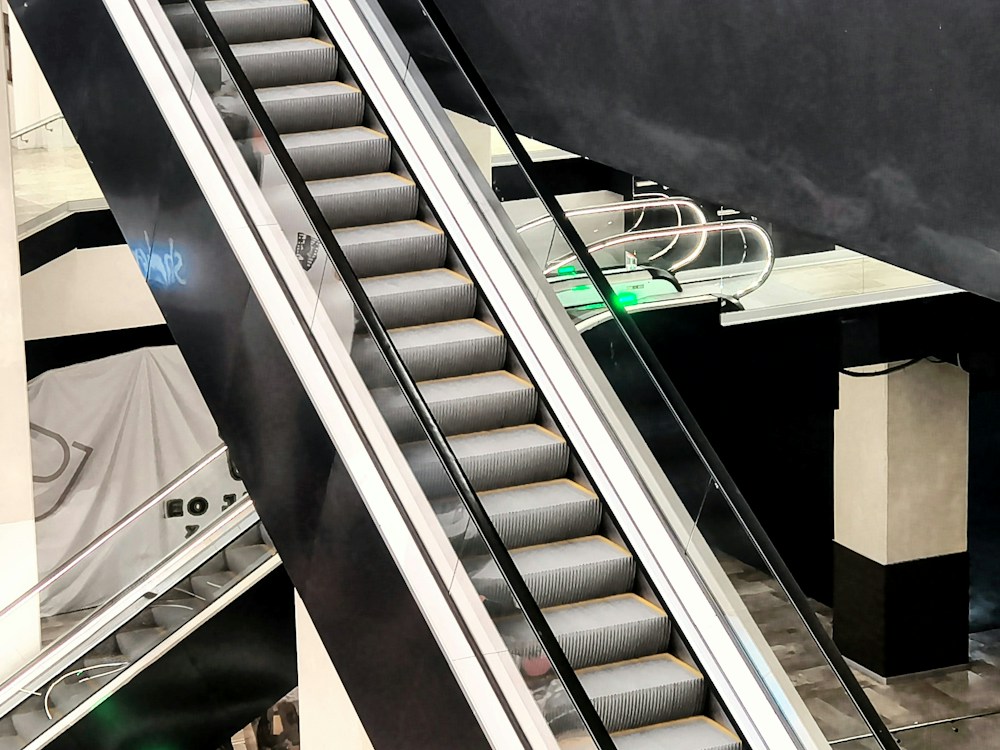
Let's get this out of the way: no robot vacuum cleans stairs. Not a single one. Robot vacuums are designed for flat surfaces—they use cliff sensors specifically to *avoid* falling down stairs. If you've been searching for a robot vacuum that climbs stairs, you're looking for something that doesn'...
Let's get this out of the way: no robot vacuum cleans stairs. Not a single one. Robot vacuums are designed for flat surfaces—they use cliff sensors specifically to avoid falling down stairs. If you've been searching for a robot vacuum that climbs stairs, you're looking for something that doesn't exist yet.
But that doesn't mean you're stuck with manual vacuuming forever. The best approach for homes with stairs is a combination strategy: a robot vacuum for your flat floors (each level) and a lightweight handheld or stick vacuum for the stairs themselves. Some households buy two robot vacuums—one per floor—and carry a handheld for the stairs.
Here's how to set up the most efficient cleaning system for a multi-level Canadian home.
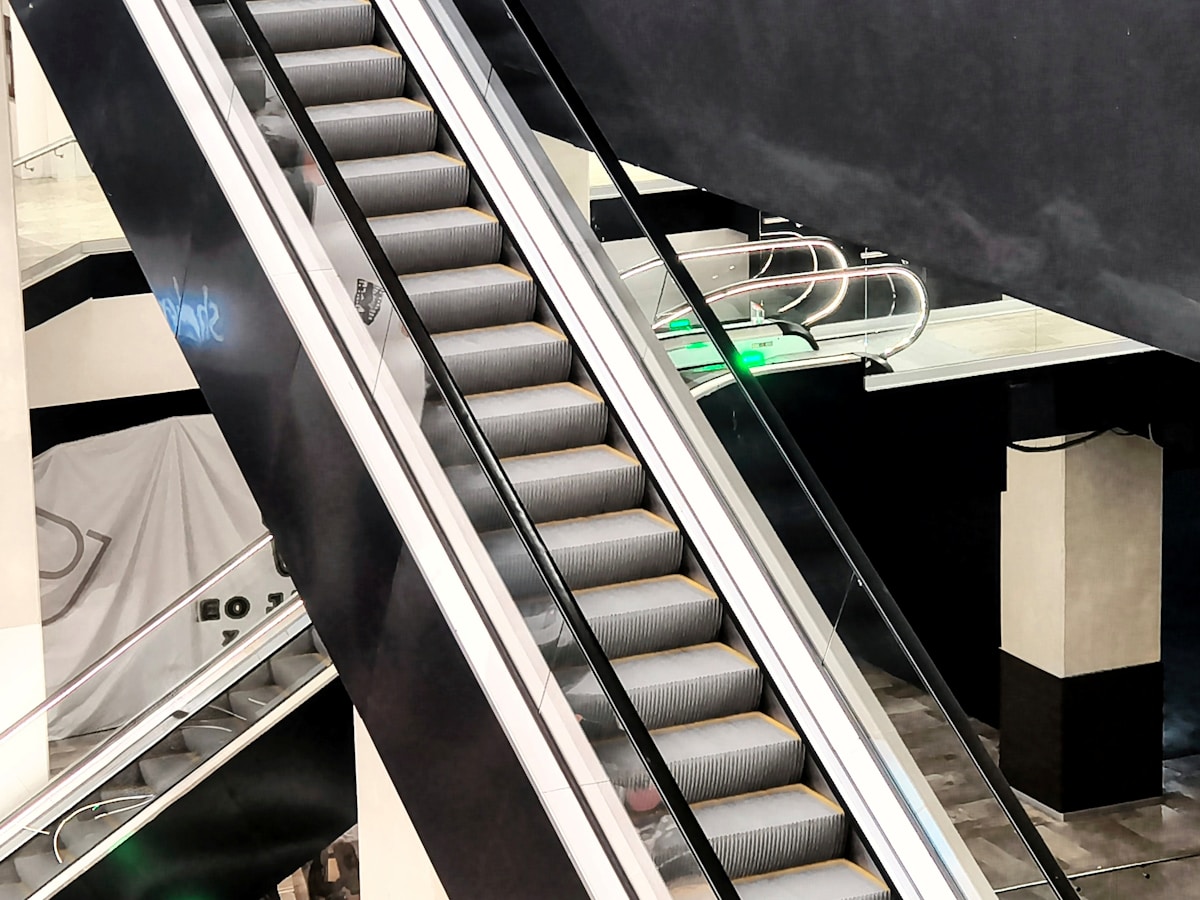
Best Cleaning Strategy for Homes with Stairs
| Approach | Pros | Cons | Cost |
|---|---|---|---|
| 1 robot vacuum + handheld | Affordable, covers most needs | Must carry robot between floors | ~$400-700 CAD |
| 2 robot vacuums (one per floor) | Fully automated flat floors | Stairs still manual, higher cost | ~$600-1,200 CAD |
| 1 robot vacuum + stick vacuum | Robot handles floors, stick does stairs | Two devices to maintain | ~$500-900 CAD |
| Robot vacuum + stair-cleaning robot | Most automated option | Stair robots are new and limited | ~$800-1,500 CAD |
Best Robot Vacuum to Carry Between Floors: iRobot Roomba j7+
Multi-Floor Mapping Makes It Practical
If you're carrying a single robot vacuum between floors, you need one that supports multi-floor mapping. The iRobot Roomba j7+ stores up to 10 floor maps, so it recognizes which floor it's on and uses the correct map automatically. Move it from the main floor to the basement, press clean, and it knows exactly where it is.
At ~$630 CAD, the j7+ is a solid investment for a multi-level home. The self-emptying base stays on your primary floor, and you carry just the robot to other levels. The 75-minute runtime is enough for most single floors in Canadian homes.
- Multi-floor maps: Up to 10
- Self-emptying: Yes (base stays on one floor)
- Weight: 3.4 kg (easy to carry)
- Suction: 2,200 Pa
- Navigation: PrecisionVision camera + AI
- Price: ~$630 CAD
The Roomba j7+ is the most practical single-robot solution for multi-level homes. It's light enough to carry between floors, and the multi-floor mapping means zero setup when you move it. The self-emptying base on your main floor handles the bulk of the debris.
Cliff Sensors: How Robot Vacuums Avoid Stairs
Every robot vacuum has cliff sensors on the bottom—infrared sensors that detect drops. When the sensor detects a stair edge, the robot reverses and changes direction. This is a safety feature, not a limitation to work around. Never disable or cover cliff sensors.
Some robot vacuums handle stair edges better than others:
- Best cliff detection: iRobot Roomba series, Roborock S8 series
- Good cliff detection: Shark, Ecovacs Deebot
- Caution with dark floors: Some cliff sensors misread very dark carpet or rugs as cliffs—the Roomba j7+ handles dark surfaces well
Best for Two-Floor Automation: Roborock Q7 Max+ (Buy Two)
One Per Floor, Full Automation
The most hands-off approach for a two-storey home is buying two robot vacuums—one per floor. The Roborock Q7 Max+ at ~$490 CAD each makes this feasible. Two units with self-emptying bases cost ~$980 CAD total, and you get fully automated cleaning on both floors with zero carrying.
Each Q7 Max+ maps its own floor independently. Schedule the main floor to clean at 10 AM and the upstairs at 2 PM. The 4,200 Pa suction handles everything from hardwood to carpet, and the basic mopping function is a bonus for kitchens and bathrooms.
- Suction: 4,200 Pa
- Self-emptying: Yes (one base per floor)
- Navigation: LiDAR
- Runtime: 180 minutes
- Mop: Yes (basic)
- Price: $490 CAD each ($980 CAD for two)
Two Roborock Q7 Max+ units at $980 CAD total is actually cheaper than one premium robot vacuum like the Roborock S8 MaxV Ultra (~$1,800 CAD). You get full automation on both floors, and each unit has its own self-emptying base. For two-storey Canadian homes, this is the most practical setup.
Best Handheld for Stairs: Dyson V12 Detect Slim
The Stair Cleaning Companion
For the stairs themselves, a lightweight cordless stick vacuum is the best tool. The Dyson V12 Detect Slim at ~$550 CAD weighs just 2.2 kg and converts to a handheld for stair cleaning. The laser dust detection shows you exactly where dirt is on each step, and the 60-minute runtime is more than enough for a full staircase.
The motorized mini brush head attachment is designed for stairs and upholstery—it fits perfectly on standard stair treads and agitates carpet fibers to pull out embedded dirt.
- Weight: 2.2 kg
- Suction: 150 AW
- Runtime: 60 minutes
- Stair attachment: Motorized mini brush head
- Filtration: Whole-machine HEPA
- Price: ~$550 CAD
Budget Stair Cleaning Alternative
If $550 is too much for a stair vacuum, the Tineco Pure ONE S11 at ~$250 CAD is a solid budget alternative. It's lightweight (2.8 kg), has decent suction, and includes a mini brush head for stairs. The 40-minute runtime handles stairs and quick touch-ups.
The Future: Stair-Climbing Robot Vacuums
They're Coming, But Not Ready Yet
A few companies are developing robot vacuums that can navigate stairs:
- Ascender — A concept robot with tank-like treads that climb stairs. Not commercially available in Canada yet
- Migo Ascender — Crowdfunded stair-climbing robot. Early reviews are mixed—it handles some stair types but struggles with others
- Roborock and iRobot — Both have patents for stair-climbing mechanisms, but no commercial products announced
Stair-climbing robot vacuums are probably 2-3 years away from being reliable consumer products. For now, the combination approach (robot for floors + handheld for stairs) is the most practical solution. Don't wait for the perfect product—clean your stairs now.
How to Vacuum Stairs Efficiently
- Start at the top — Work your way down so debris falls to uncleaned steps
- Use the crevice tool first — Clean the edges where the tread meets the riser
- Then the brush head — Go across each tread with the motorized brush
- Handrails and spindles — Use the dusting brush attachment
- Frequency: Once a week for most homes, twice for pet owners
| Stair Type | Best Tool | Tip |
|---|---|---|
| Carpeted stairs | Motorized brush head | Use slow, overlapping strokes |
| Hardwood stairs | Soft roller or hard floor head | Be careful not to scratch |
| Laminate stairs | Hard floor attachment | Avoid excess moisture |
| Tile stairs | Hard floor attachment | Focus on grout lines |
📺 Watch: How to Clean Stairs Efficiently 2026
Got Questions About Robot Vacuums and Stairs? Let's Clear Things Up.
Can any robot vacuum clean stairs in 2026?
No mainstream robot vacuum cleans stairs as of March 2026. All consumer robot vacuums are designed for flat surfaces only. A few crowdfunded products claim stair-climbing ability, but none are widely available or reliable in Canada. The best approach is a robot vacuum for flat floors combined with a handheld or stick vacuum for stairs.
Will my robot vacuum fall down the stairs?
Extremely unlikely. All modern robot vacuums have cliff sensors that detect drops and reverse direction. In rare cases, very dark carpet near stairs can confuse cliff sensors (they misread dark surfaces as drops), but this causes the robot to avoid the area, not fall. The Roomba j7+ and Roborock models have the most reliable cliff detection.
Should I buy two robot vacuums for a two-storey house?
If budget allows, yes. Two robot vacuums (one per floor) with self-emptying bases provide fully automated floor cleaning without carrying anything between floors. Two Roborock Q7 Max+ units at ~$980 CAD total is a practical setup. If budget is tight, one robot vacuum with multi-floor mapping (like the Roomba j7+) that you carry between floors works well too.
How do I keep my robot vacuum from going near the stairs?
Most modern robot vacuums with LiDAR or camera navigation let you set no-go zones in the app. Draw a virtual barrier at the top and bottom of your staircase. Even without no-go zones, cliff sensors prevent the robot from falling. For extra safety, you can place a physical barrier (baby gate) at the stair opening.
The honest answer is that robot vacuums and stairs don't mix—yet. The best strategy for multi-level Canadian homes is a robot vacuum for each floor plus a handheld for stairs. For more on choosing the right robot vacuum, check our best robot vacuums guide or our best robot vacuum for multiple floors roundup.
🤖
Take Our Free Robot Vacuum Finder Quiz
Answer a few quick questions and get personalized recommendations.
Start Quiz →
Sign up or sign in to join the conversation.