
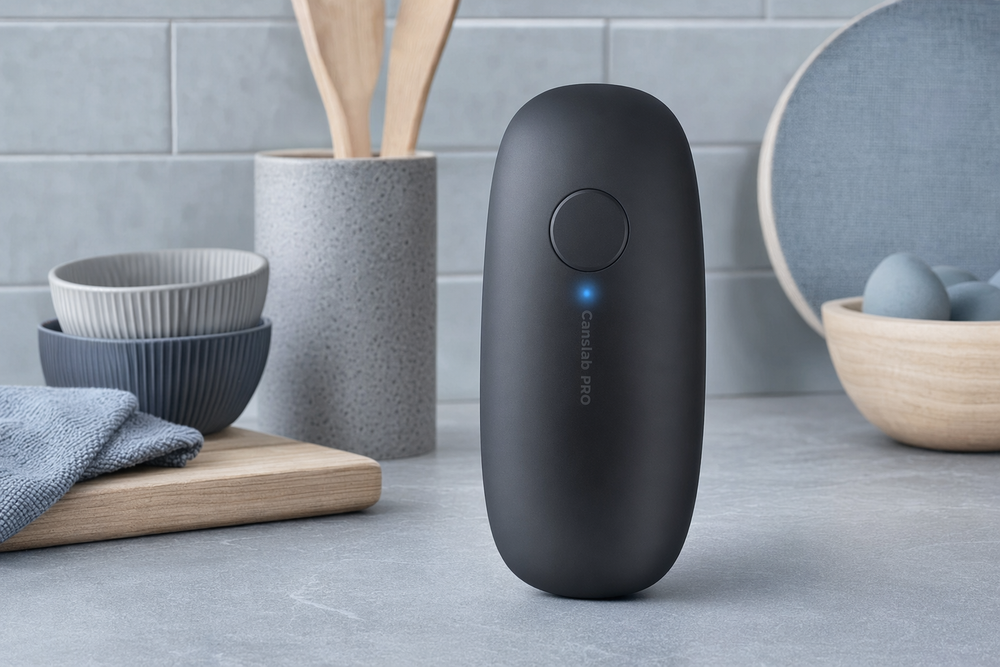
There is a particular kind of kitchen frustration that only shows up when you need it least — standing over a stubborn can at 5:47 p.m., wrist already sore from the day, manual opener slipping on the rim for the third time. Tomato sauce for pasta. Chickpeas for a salad. Coconut milk for whatever ...
There is a particular kind of kitchen frustration that only shows up when you need it least — standing over a stubborn can at 5:47 p.m., wrist already sore from the day, manual opener slipping on the rim for the third time. Tomato sauce for pasta. Chickpeas for a salad. Coconut milk for whatever you promised to make. The food is simple; the lid is not.
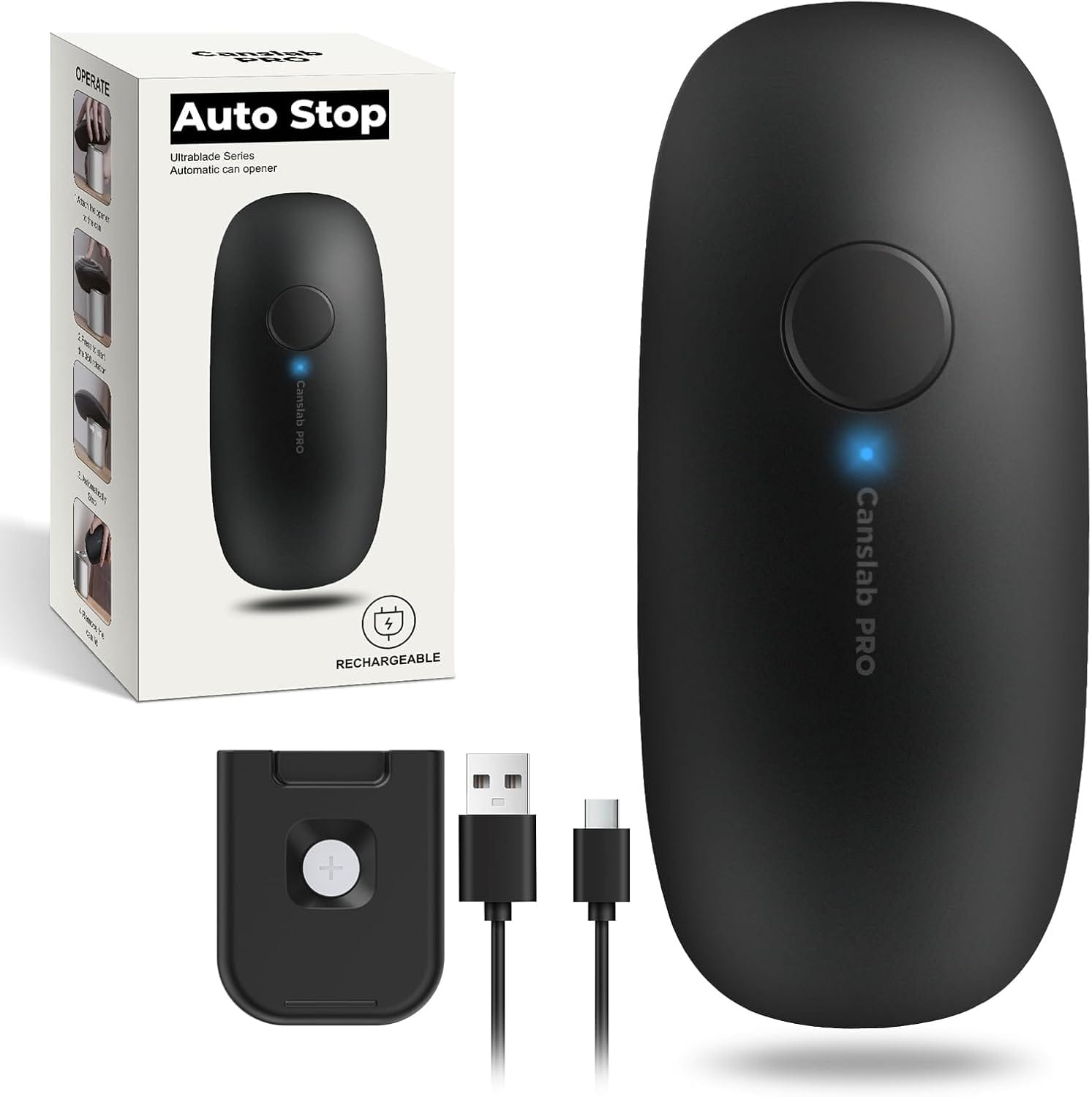
The Canslab Ultrablade PRO exists for that exact moment. It is a rechargeable, one-touch electric can opener that mounts on the can, cuts along the side rather than through the top, and stops on its own when the circle is complete. No cranking. No AA batteries dying mid-lid. No sharp rim waiting to slice a thumb. For anyone whose hands hurt — arthritis, carpal tunnel, a bad wrist from hockey season — that trade is the whole story.

The snapshot
| Canslab Ultrablade PRO | |
|---|---|
| What it is | Rechargeable, hands-free electric can opener with side-cut smooth edges |
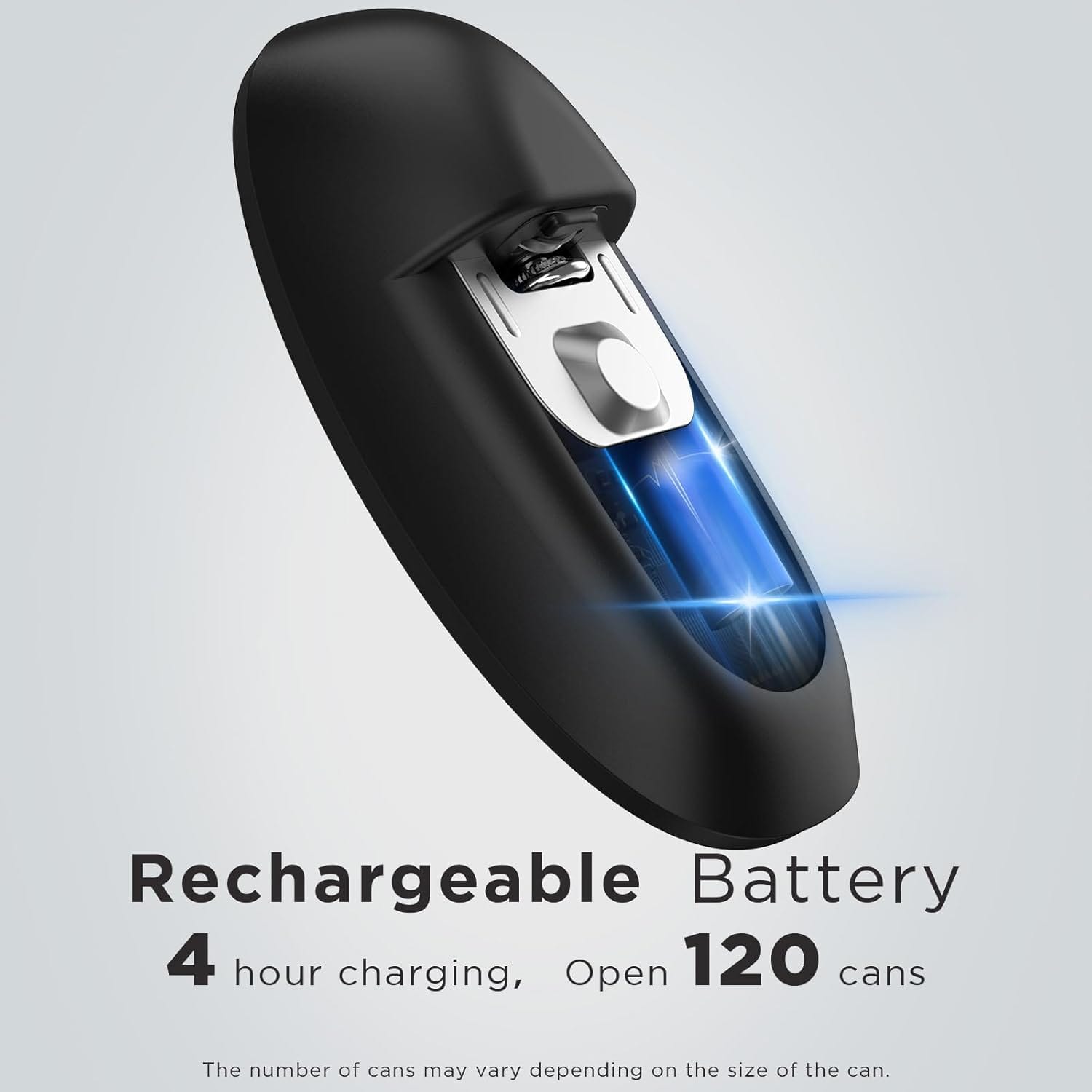
| Power | Built-in battery, USB-C charging, charge-level indicator |
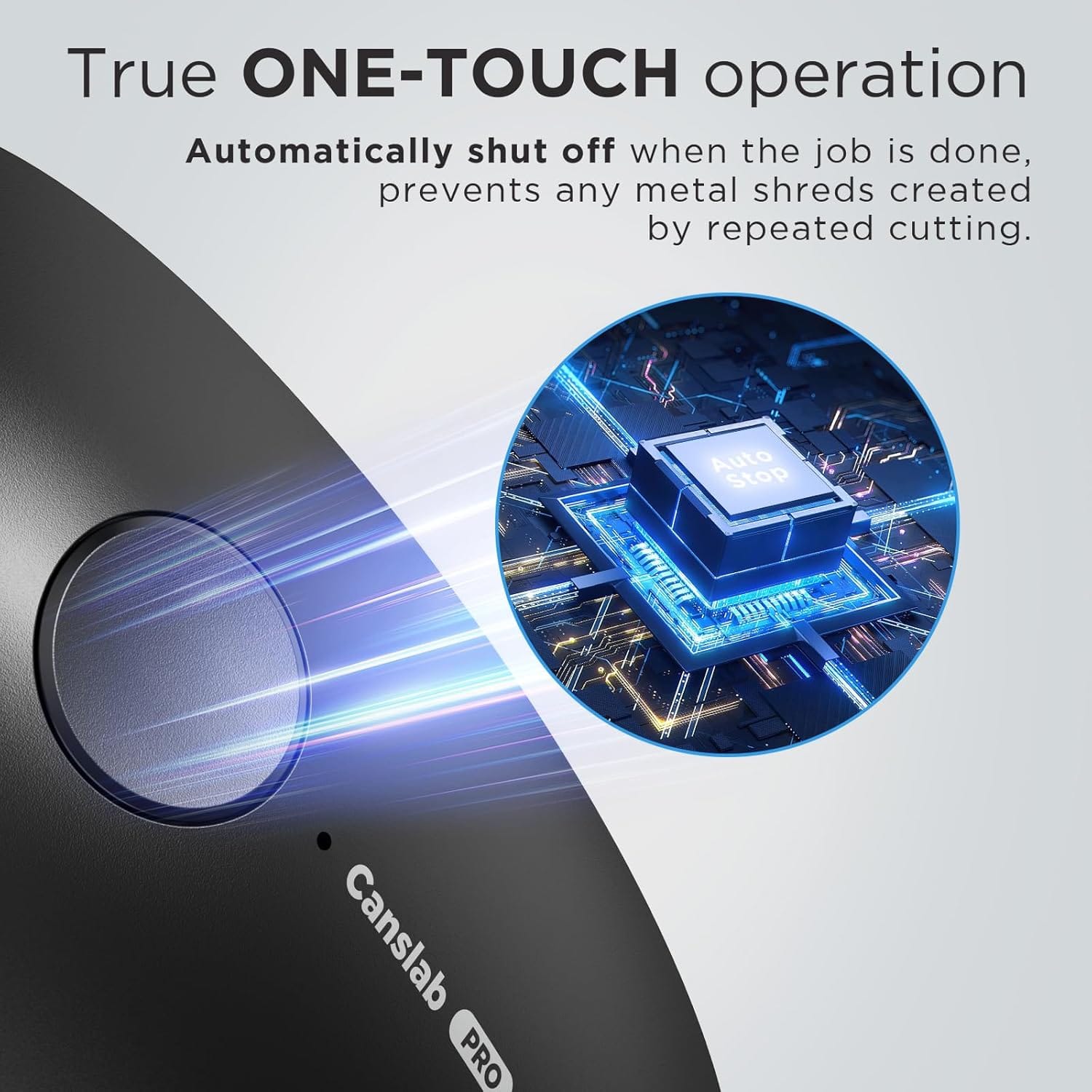
| Operation | One-touch start/stop, auto-stop when cut completes |
| Cut style | Side cut — lid lifts off cleanly, no jagged top rim |
| Mounting | Magnetic wall holder included; fits in a drawer |
| Can compatibility | Most standard cans; not rimless soda cans |
| Real price (CAD) | ~$50–56 on Amazon.ca (list often ~$56; sales bring it lower) |
What buyers on Amazon are saying
The Ultrablade PRO sits around 4.5 stars on Amazon.ca with thousands of ratings — enough volume that the patterns mean something. Amazon’s review summary clusters buyer feedback into themes that match what owners describe in long-form reviews.
Ease of use and hand relief dominate the positive side. Reviewers with arthritis, wrist pain, and reduced grip strength call it a game-changer — hook it on, press the button, walk away. Many describe it as the best can opener they have owned after years of fighting manual tools or bulky counter-mounted units.
Smooth, safe edges come up constantly. Because the blade cuts along the side of the lid rather than punching through the top, the opened can has no razor rim. Parents buying for aging parents mention this repeatedly — fewer cut fingers, less anxiety around tin lids.
Battery life earns mostly warm notes. A common story: weeks of regular use without needing a recharge. The USB-C charging and charge indicator get praise when they work as expected.
The friction is real but narrower:
- Lid removal is mixed — The built-in magnet is supposed to lift the lid when the cut finishes. Many buyers love it; a meaningful minority say the magnet does not always grab, especially on sticky or high-pressure cans. The workaround reviewers share: lift with a fingernail or butter knife. Annoying, not fatal.
- Cutting performance varies — Most report flawless cuts across can sizes. Some mention units that worked brilliantly for months then stopped holding charge or failed to complete a full rotation. A smaller group had trouble from day one.
- Value for money splits opinion — At roughly $50 CAD, it costs more than basic battery-powered openers. Happy owners call it worth every dollar; sceptical ones expected perfection at that price and felt let down by occasional magnet misses.
The honest shape of owner opinion: people who bought it for hand pain and one-button convenience tend to love it; people who expected a completely hands-off lid disposal every single time sometimes feel the marketing oversold the magnet.
What it's actually trying to do
Manual can openers ask your hands to do three hard things at once: grip the can, grip the tool, and apply steady rotational force through a small handle. Electric counter models fixed the force problem but left you with a permanent appliance hogging counter space and a top-cut lid that still bites.
The Ultrablade PRO’s bet is different. Side-cut technology removes the lid from the outside edge, leaving a smooth, food-safe rim and a flat lid you can lift off. The motor does the rotation; you do one press. The rechargeable battery means no drawer full of dead AAs. The magnetic mount means it can live on a cabinet door instead of cluttering the counter.
That design has a trade baked in: side-cut cans are slightly less stable when full than top-cut ones, because the lid no longer sits in a recessed groove. Most home cooks adjust in a day. It also means rimless beverage cans are out — the geometry does not work.
Side cut versus top cut — why it matters
Top-cut openers pierce the lid and slice inward. Fast, familiar, and sharp. Side-cut openers run the blade around the outside seam, separating the lid from the wall of the can without ever touching the food surface from above.
For seniors and anyone with tremors, the safety difference is not abstract. Reviewers mention giving this to parents who had stopped opening certain cans altogether. The smooth edge lets them drain tuna or beans without negotiating a metal lip.
The trade-off is stability. A side-cut can, once open, has a smooth rim but no lid resting in place until you put it back. If you are cooking with wet hands or moving quickly, set the can on a stable surface before you let go.
The magnet, the picker, and the sticky-lid problem
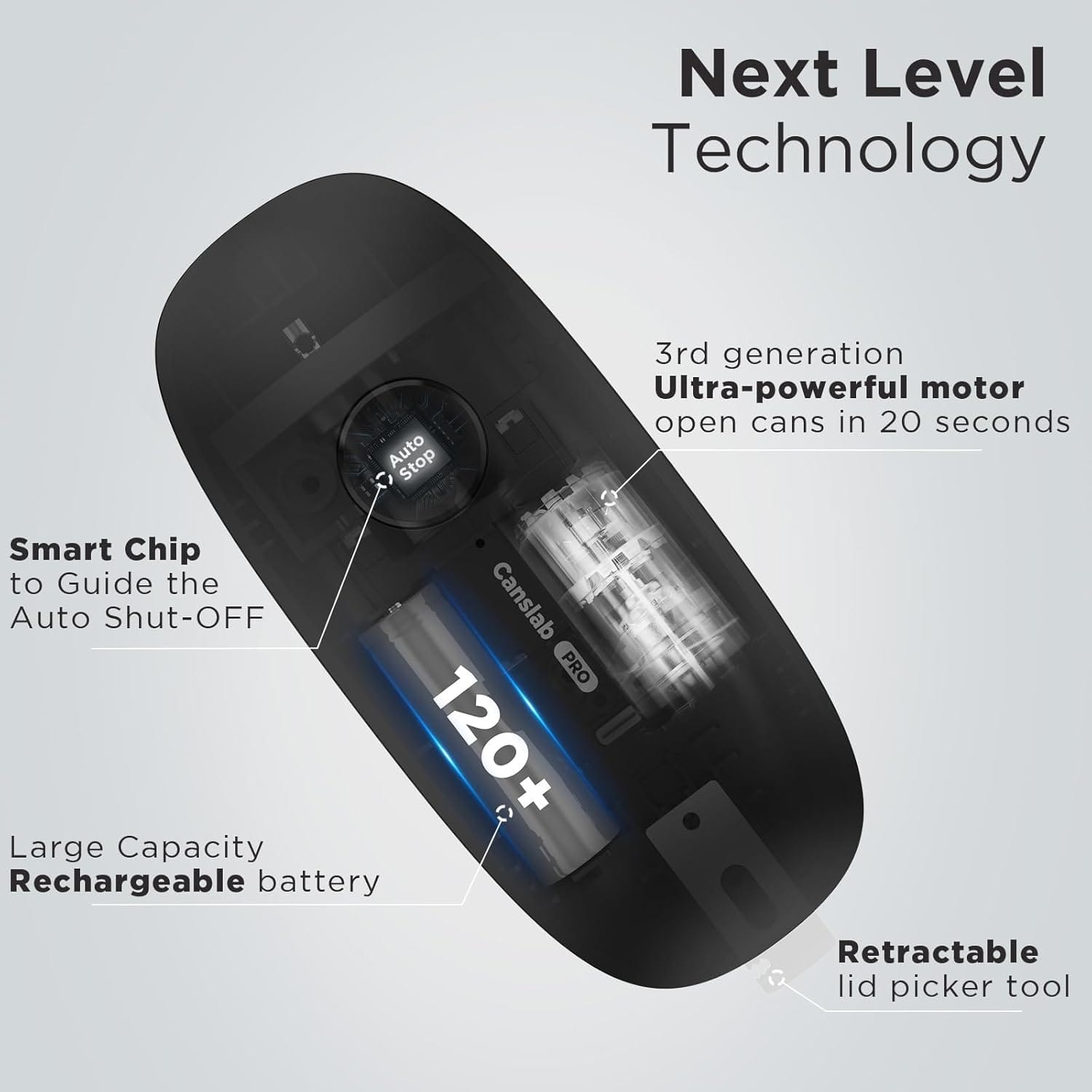
Canslab markets a magnetic lid lifter and a retractable lid picker for stubborn lids. In practice, the magnet handles most standard cans cleanly — you hear the motor finish, the unit does a small reverse motion, and the lid comes free.
Sticky contents — tomato paste, condensed soup, syrup-heavy fruit — fight back. Amazon reviews are candid here: the magnet does not always win. The picker helps when you remember it exists; many owners simply pry the lid with a knife edge and move on.
None of this means the opener failed. It means canned food is inconsistent and magnets are not magic. Budget ten seconds of lid handling on tough cans and the rest of the experience stays effortless.
Battery, charging, and the “won’t turn on” complaints
The PRO charges via USB-C and includes a charge-level display. Reviewers who treat it like a phone — plug in when low — report months between charges with normal household use.
Negative rechargeable mentions usually fall into two buckets: units that stopped holding charge after heavy use (warranty replacements come up in reviews), and buyers who assumed any USB cable would fast-charge it. Use a decent adapter; a weak phone brick may charge slowly but should still work.
Unlike plug-in counter openers, a dead battery means no cans until it charges. Keep it on the magnetic mount near an outlet and this rarely bites.
What it gets genuinely right
Strip away the magnet quibbles and the picture is strong:
- One button, genuinely hands-free for the cutting itself — the motor earns its keep.
- Smooth edges that change the safety calculus for arthritic hands and curious kids nearby.
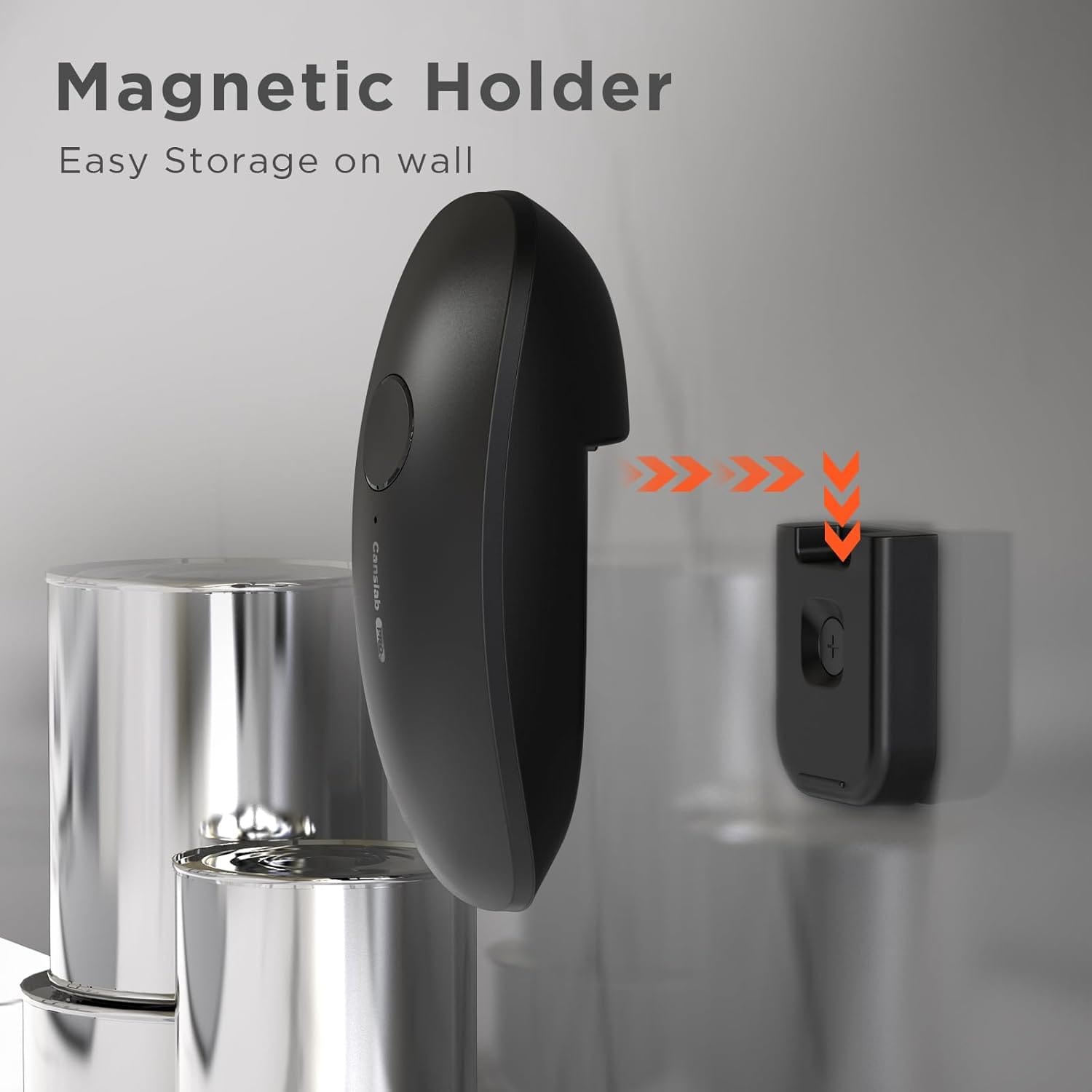
- Compact footprint — drawer or wall mount, not a permanent counter tenant.
- No disposable batteries — USB-C and long runtime between charges.
- Quieter than old battery models — Canslab claims roughly 28% less noise than legacy AA designs; reviewers describe it as satisfying rather than grating.
- Works across can sizes — soup, beans, coconut milk; the sizing range covers normal pantry stock.
Who should buy it — and who really shouldn't
This is your opener if you're:
- Managing arthritis, carpal tunnel, or any grip weakness and tired of fighting manual tools
- Buying for a parent who has quietly stopped using certain canned goods
- Wanting smooth edges without thinking about it every time
- Preferring a rechargeable gadget over a plug-in counter appliance
- Opening cans regularly but not industrially — normal family cooking pace
Walk away if you're:
- Mostly opening rimless soda or slim beverage cans — this is not built for them
- Expecting zero lid handling ever — sticky cans will occasionally need a nudge
- On a tight budget and happy with a $15 manual opener when your hands still cooperate
- Needing commercial-volume reliability — heavy daily use in a busy kitchen may outpace consumer-grade motors over years
The decision, in three honest questions
- Do my hands hurt when I open cans, or will they soon? If yes, the one-touch design pays for itself quickly. If your manual opener still feels fine, you are paying for convenience you may not notice.
- Am I okay lifting a lid manually on sticky cans sometimes? If yes, buy with confidence. If you need fully automated lid disposal every time, temper expectations — the magnet is good, not perfect.
- Do I have a place to charge it occasionally? USB-C near the kitchen matters. A dead battery on chili night is avoidable but real.
A few questions worth answering
Does it work on all cans?
Standard soup, vegetable, bean, and sauce cans — yes. Rimless soda cans — no. Oddly shaped or damaged rims may need a second try or manual fallback.
How often do I need to charge it?
Many Amazon.ca reviewers report weeks of normal household use before reaching for the cable. Heavy users should check the charge indicator periodically.
Is the lid really safe to touch?
The side cut leaves a smooth edge on both the lid and the can rim — that is the main safety win. Still handle lids with care; “smooth” is not “soft.”
What if the magnet does not grab the lid?
Common on sticky contents. Use the picker, a butter knife, or your fingernail. Most owners report this happens occasionally, not every can.
What does it really cost in Canada?
Budget roughly $50–56 CAD on Amazon.ca, with list price often at $56.99 and periodic discounts. Verify the current listing before you commit — promotions shift.
Looking for buyer guides that tell you the trade-offs, not just the highlights? More honest, Canadian-focused gadget coverage lives at celmin.ca.
Discussion
Sign up or sign in to join the conversation.