


You spend a third of your life sleeping—or trying to. If you're waking up tired, struggling to fall asleep, or just curious about what happens during those...
You spend a third of your life sleeping—or trying to. If you're waking up tired, struggling to fall asleep, or just curious about what happens during those unconscious hours, a sleep tracker can provide answers.
Modern sleep trackers go beyond simple duration. They analyze sleep stages, detect disturbances, track breathing patterns, and some can even identify sleep apnea risk. The data won't fix your sleep, but it'll show you what needs fixing.
Let's find the tracker that matches how you want to monitor your rest.
Types of Sleep Trackers
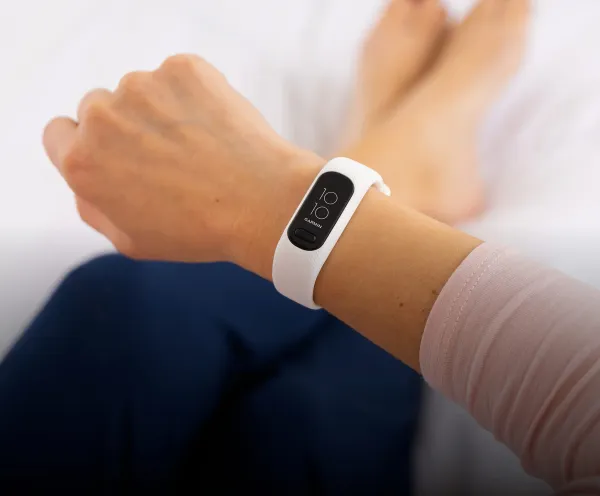
Wearable Trackers
Worn on wrist or finger, track movement and heart rate.
- Pros: Also tracks daytime activity, portable
- Cons: Some find uncomfortable for sleep, needs charging
- Examples: Oura Ring, Fitbit, Apple Watch
Under-Mattress Trackers
Placed under your mattress, detect movement and breathing.
- Pros: Nothing to wear, no charging anxiety
- Cons: Can't distinguish between sleepers, not portable
- Examples: Withings Sleep, Eight Sleep
Bedside Trackers
Sit on nightstand, use radar or sound to monitor sleep.
- Pros: Nothing to wear or place in bed
- Cons: Less accurate, affected by partners/pets
- Examples: Google Nest Hub, Amazon Halo Rise
Wearables offer the most comprehensive data. Under-mattress trackers are best for those who can't stand wearing anything to bed.
Top Sleep Trackers for 2026
Best Overall: Oura Ring Gen 3
The gold standard for dedicated sleep tracking.
- Metrics: Sleep stages, HRV, respiratory rate, blood oxygen, temperature
- Battery: 5-7 days
- Comfort: Lightweight titanium ring
- Price: C$405 + C$8.16/month membership
Oura's algorithms are research-validated. The ring form factor is the most comfortable for sleep. Readiness scores help you understand recovery.
Best Smartwatch: Apple Watch Series 10
Full smartwatch with excellent sleep tracking.
- Metrics: Sleep stages, heart rate, respiratory rate, blood oxygen
- Battery: 18 hours (requires nightly charging)
- Comfort: Depends on band choice
- Price: C$545+
Sleep tracking has improved significantly. The challenge is battery—you'll need to charge during the day to track sleep at night.
Best Fitness Band: Fitbit Charge 6
Affordable tracker with Fitbit's industry-leading sleep analysis.
- Metrics: Sleep stages, SpO2, skin temperature, sleep score
- Battery: 7 days
- Comfort: Slim, lightweight band
- Price: C$220
Fitbit pioneered consumer sleep tracking. Their sleep stage detection and insights remain among the best.
Best Under-Mattress: Withings Sleep
Set-and-forget tracking without wearing anything.
- Metrics: Sleep cycles, heart rate, snoring, breathing disturbances
- Battery: Plugged in (no charging needed)
- Comfort: Undetectable under mattress
- Price: C$175
Place it once, forget it exists. Detects potential sleep apnea and integrates with Withings ecosystem.
Best Budget: Amazfit Band 7
Comprehensive tracking at entry-level price.
- Metrics: Sleep stages, SpO2, heart rate, PAI score
- Battery: 18 days
- Comfort: Very lightweight
- Price: C$68
Surprisingly capable for the price. Sleep tracking rivals devices costing three times more.
Sleep Tracker Comparison
| Tracker | Type | Sleep Stages | SpO2 | Battery | Price |
|---|---|---|---|---|---|
| Oura Ring Gen 3 | Ring | Yes | Yes | 7 days | C$405 |
| Apple Watch S10 | Watch | Yes | Yes | 18 hrs | C$545 |
| Fitbit Charge 6 | Band | Yes | Yes | 7 days | C$220 |
| Withings Sleep | Mattress | Yes | No | Plugged | C$175 |
| Amazfit Band 7 | Band | Yes | Yes | 18 days | C$68 |
Understanding Sleep Metrics
Sleep Stages
Your sleep cycles through stages throughout the night:
- Light Sleep (N1, N2): 50-60% of night, body relaxes, easy to wake
- Deep Sleep (N3): 15-25% of night, physical recovery, hardest to wake
- REM Sleep: 20-25% of night, mental recovery, dreaming
What to look for: Consistent deep sleep (1.5-2 hours), adequate REM (1.5-2 hours)
Heart Rate Variability (HRV)
The variation in time between heartbeats. Higher HRV generally indicates:
- Better recovery
- Lower stress
- Good cardiovascular health
What to look for: Your personal baseline and trends, not absolute numbers
Respiratory Rate
Breaths per minute during sleep. Normal adult range: 12-20 breaths/minute.
What to look for: Sudden changes may indicate illness or sleep issues
Blood Oxygen (SpO2)
Oxygen saturation in blood. Normal: 95-100%.
What to look for: Consistent dips below 90% may indicate sleep apnea
Sleep Score
Most trackers provide a composite score (typically 0-100) combining:
- Total sleep time
- Sleep efficiency
- Sleep stages
- Restfulness
Focus on trends, not individual nights. One bad score doesn't matter—consistent patterns do.
What Sleep Trackers Can't Do
Limitations to Understand
- Not medical devices: Can't diagnose sleep disorders
- Stage accuracy: Less accurate than clinical polysomnography
- Individual variation: Algorithms trained on averages
- Can't fix sleep: Data without action is useless
When to See a Doctor
Sleep trackers can indicate potential issues, but see a professional if you experience:
- Consistent low blood oxygen readings
- Excessive daytime sleepiness despite adequate sleep time
- Loud snoring with breathing pauses (partner-reported)
- Inability to fall or stay asleep despite good sleep hygiene
Improving Sleep Based on Tracker Data
If Deep Sleep Is Low
- Exercise earlier in the day (not before bed)
- Avoid alcohol (disrupts deep sleep)
- Keep bedroom cool (65-68°F / 18-20°C)
- Maintain consistent sleep schedule
If REM Sleep Is Low
- Reduce alcohol consumption
- Address stress and anxiety
- Avoid sleep medications that suppress REM
- Get adequate total sleep time
If Sleep Efficiency Is Low
- Only go to bed when sleepy
- Get out of bed if awake for 20+ minutes
- Limit bedroom to sleep and intimacy
- Reduce screen time before bed
If HRV Is Consistently Low
- Prioritize recovery days
- Manage stress levels
- Avoid overtraining
- Check for illness or overwork
For creating a better sleep environment, consider adding a noise machine or optimizing your bedroom air quality.
Choosing the Right Sleep Tracker
Choose Oura Ring If:
- Sleep tracking is your primary goal
- You want the most comfortable wearable
- You'll use readiness/recovery insights
- Subscription cost isn't a concern
Choose Apple Watch If:
- You want a full smartwatch
- You're in the Apple ecosystem
- You'll charge during the day
- Sleep tracking is secondary to other features
Choose Fitbit If:
- You want balance of features and price
- Week-long battery matters
- You prefer wrist-based tracking
- You want established sleep algorithms
Choose Withings Sleep If:
- You can't wear anything to bed
- You sleep alone (or want individual tracking)
- Set-and-forget appeals to you
- You want snoring detection
Got Questions About Sleep Trackers? Let's Clear Things Up.
How accurate are sleep trackers?
Consumer sleep trackers are reasonably accurate for total sleep time and can detect sleep stages, but they're not as precise as clinical polysomnography. Studies show 70-80% agreement with lab results. They're best for tracking trends over time rather than precise nightly measurements.
Do sleep trackers actually improve sleep?
The tracker itself doesn't improve sleep—your actions based on the data do. Many people find that simply being aware of their sleep patterns motivates better habits. However, some people develop "orthosomnia" (anxiety about sleep scores), which can worsen sleep.
Should I wear my tracker every night?
For meaningful data, yes. Sleep varies night to night, so consistent tracking reveals patterns. However, if wearing a tracker causes anxiety or discomfort that affects sleep, the data isn't worth it.
Can sleep trackers detect sleep apnea?
Some trackers can identify patterns consistent with sleep apnea (breathing disturbances, oxygen dips), but they cannot diagnose it. If your tracker consistently shows concerning patterns, consult a sleep specialist for proper testing.
Ring vs wristband—which is more comfortable?
Most people find rings more comfortable for sleep. Wristbands can press against the mattress or feel bulky. However, rings only fit one finger and can feel odd initially. Try both if possible.
A sleep tracker provides valuable insights into your rest, but remember—data without action is just numbers. Start with the Oura Ring for dedicated sleep tracking, or the Fitbit Charge 6 for a balance of sleep and fitness features. For complete health monitoring, pair with a smartwatch or fitness tracker.


Discussion
Sign up or sign in to join the conversation.