
Small rice cookers occupy a very practical corner of the kitchen world. They are not glamorous, and they are not trying to replace a full-size multicooker. They exist for a simpler reason: a lot of people want reliable rice, oats, steamed vegetables, or small one-pot meals without firing up a lar...
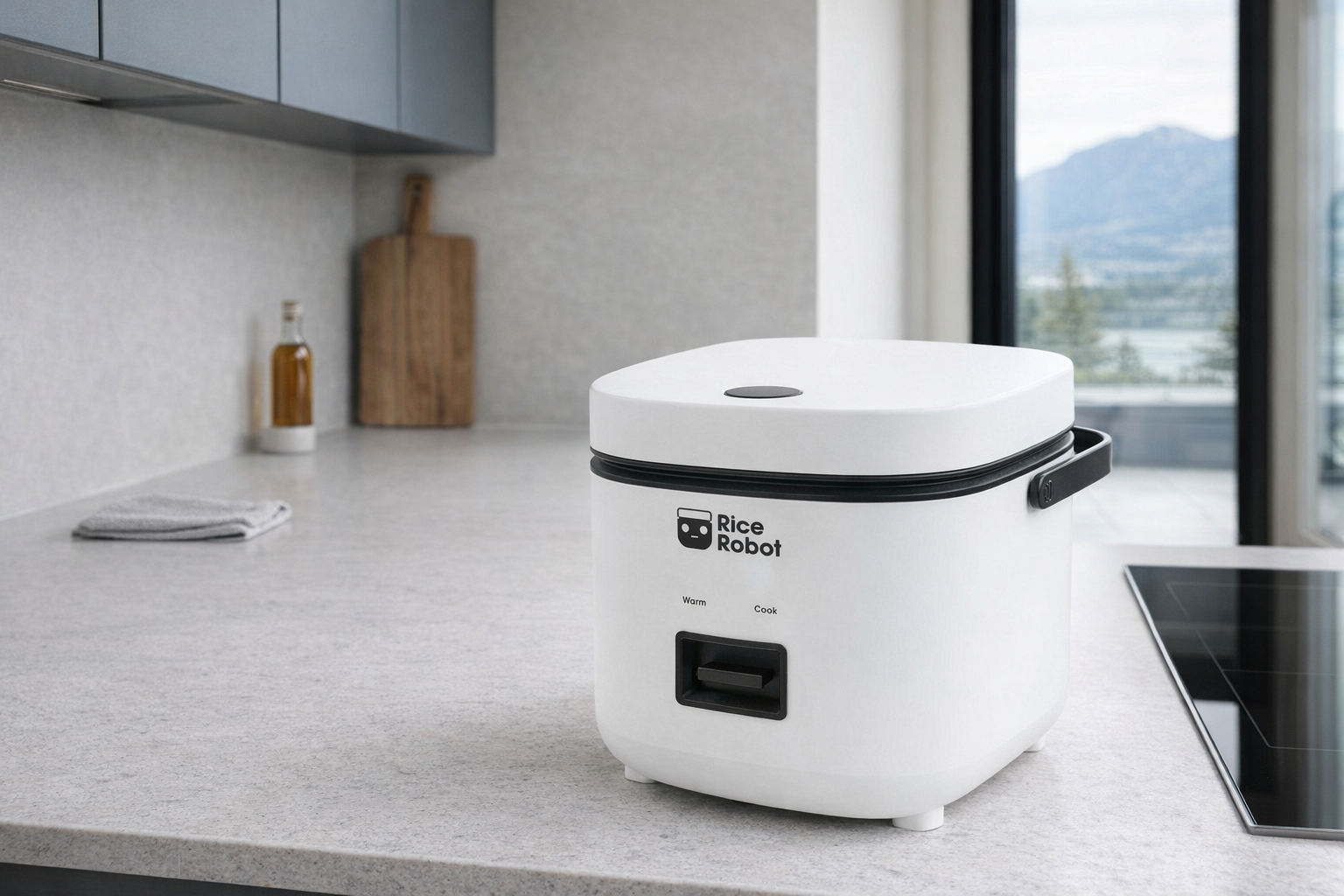
Small rice cookers occupy a very practical corner of the kitchen world. They are not glamorous, and they are not trying to replace a full-size multicooker. They exist for a simpler reason: a lot of people want reliable rice, oats, steamed vegetables, or small one-pot meals without firing up a large appliance or babysitting a saucepan. The Rice Robot Personal Rice Cooker PFAS-free from EMSON lands squarely in that lane, with a compact body, a 1.2 liter capacity, and a stronger-than-usual emphasis on a PFAS-free ceramic non-stick cooking surface.
This is not a hands-on review. Nothing here is based on personally cooking with the appliance. Instead, this is a plain-English explainer built from the listing details and what products in this category generally do well — and where they often disappoint. If you are deciding between a tiny rice cooker, a bigger cooker, or just sticking with a pot on the stove, this is the calmer breakdown.
📺 Watch: Rice Robot Personal Rice Cooker PFAS-free in context
Quick snapshot
| Question | What the Rice Robot Personal Rice Cooker PFAS-free actually is |
|---|---|
| Category | Kitchen & Dining |
| Made by | EMSON |
| Typical price | ~$50 CAD (listing at the time of writing — verify current pricing) |
| Rating signal | 4.2/5 on the source listing |
| Best for | Solo cooks, dorm rooms, small apartments, RV use, and people who want a simple dedicated rice cooker |
| Skip if | You cook large family portions, want pressure-cooking features, or prefer a more established brand with deeper long-term support |
Pro tip: Buy this for portion control and convenience, not for culinary range. If your real goal is batch cooking for 3 to 5 days, a larger cooker will be less annoying.
What the Rice Robot Personal Rice Cooker PFAS-free actually is
The Rice Robot Personal Rice Cooker PFAS-free is a compact, single-purpose electric cooker meant to make small amounts of rice and other grains with minimal effort. In plain English, this is the kind of appliance you leave on a counter in a condo, student apartment, office kitchenette, or RV because it handles the repetitive job of cooking rice without needing much supervision. The headlining pitch is straightforward: it combines a personal-size 1.2 liter chamber, automatic shutoff when the rice is ready, and a PFAS-free ceramic non-stick interior for people who are trying to avoid traditional non-stick coatings.
PFAS-free, nonstick personal rice cooker with 1.2 quart capacity. Features click and cooking technology for perfectly cooked grains every time. Includes stainless steel steamer tray, measuring cups, recipe book with 60 recipes, and serving spoon. Compact and portable design with ceramic non-stick surface and dishwasher-safe components.
That description tells you two useful things. First, EMSON is positioning it as more than just a rice pot: the included stainless steel steamer tray and 60-recipe cookbook suggest simple steaming and one-pot meal use as well. Second, it is clearly built around convenience rather than precision. The phrase "click and cooking technology" is marketing language, but the practical meaning is that this is intended to be a low-input appliance: add ingredients, start it, and let it stop automatically.
A useful real-world comparison is the Dash Mini Rice Cooker. Both products target solo cooks and small kitchens, and both lean heavily on compact size and easy operation. Where the Rice Robot tries to stand out is the PFAS-free ceramic coating and the included steamer tray. That is a more specific appeal than many cheap mini cookers offer, especially for buyers who care as much about the inner pot surface as they do about the rice itself.
Key features at a glance
- Click and cooking technology for simplified rice cooking
- PFAS-free ceramic non-stick surface
- Dishwasher-safe components according to the listing
- 1.2 liter / 1.2 quart capacity for personal or small shared portions
- Automatic stop when rice is ready
- Compact, portable design for apartments, dorms, and RVs
- Stainless steel steamer tray included
- Color-coded measuring cups, serving spoon, and recipe book with 60 recipes
How the Rice Robot Personal Rice Cooker PFAS-free actually works
This kind of rice cooker uses a fairly simple cooking logic. You add rice and water using the included measuring system, close the lid, and start a cooking cycle. As the water is absorbed or boiled off, the temperature inside the cooking chamber changes. On most basic rice cookers, that shift is what triggers the cooker to stop active cooking or switch modes. The listing says this unit has an automatic stop when rice is ready, which suggests a very simple, beginner-friendly control system rather than a panel full of custom programs.
The phrase "click and cooking technology" should be read with a little skepticism. It is not a technical standard; it is branding. What matters is what the feature implies: there is likely a one-step way to begin cooking, and the appliance is doing the rest based on basic heat sensing. For rice, that is often enough. Rice cookers do not need to be smart to be useful. In fact, for a ~$50 CAD personal cooker, simple is often better.
There are really three working parts to the experience:
- The ceramic non-stick inner surface helps prevent rice from welding itself to the pot, which matters more in small cookers where a little overcooking becomes obvious quickly.
- The automatic stop function is there to reduce the need to monitor timing manually.
- The steamer tray expands the appliance from "rice only" into "rice plus vegetables," dumplings, or simple protein, depending on what the recipe booklet suggests.
The included color-coded measuring cups are also more important than they sound. Small rice cookers tend to be least forgiving when users eyeball water ratios. If the measuring system is clear and matched to the unit's intended capacity, that can prevent the most common frustration: mushy rice on one attempt, dry rice on the next. That is a more honest convenience feature than vague claims about "perfect rice every time."
A realistic "day in the life" with Rice Robot Personal Rice Cooker PFAS-free
Because this is an informational piece, here is what a typical use pattern might look like based on the listed features and how mini rice cookers usually fit into everyday life.
- Morning. Someone in a dorm or condo makes a small batch of oatmeal or another simple grain instead of using a saucepan. The compact size matters here because a large multicooker feels excessive for one breakfast.
- Midday. In a work-from-home kitchen, the cooker handles a personal portion of rice while the stainless steel steamer tray cooks vegetables above it. That is the strongest case for this format: one appliance doing a very small lunch with limited cleanup.
- Afternoon. The inner components go into the dishwasher, which is a real benefit for people who buy small appliances and then stop using them because cleanup becomes irritating.
- Evening. In an RV or small apartment, the cooker gets used for a quick side dish without taking up much counter space. The automatic stop function is what makes it useful here; it is less hands-on than pot cooking and easier to fit into a cramped kitchen routine.
That is the kind of life this product appears built for. Not dinner parties, not meal prep for a large family, and not advanced cooking modes. Just small, repetitive, useful kitchen jobs.
Who the Rice Robot Personal Rice Cooker PFAS-free is actually for (and who it isn't)
Great fits
- Students in dorms or shared housing who want warm food without learning pot timing or monopolizing a shared stove.
- Solo apartment dwellers who make rice a few times a week and are tired of washing a saucepan for one serving.
- RV owners or van users who need compact appliances with narrow, practical use cases.
- Office workers with a kitchenette setup who want to make plain rice, grains, or steamed vegetables in a personal portion.
- Buyers specifically looking for PFAS-free cookware surfaces in smaller countertop appliances.
- Older parents or grandparents cooking for one or two who want straightforward controls rather than a full digital multicooker.
Poor fits
- Families cooking dinner for 4 or more on a regular basis. A 1.2 liter cooker is simply not the right size.
- People who want an all-in-one pressure cooker for soup, beans, slow cooking, yogurt, and sautéing.
- Experienced cooks who already make rice well on the stove and are not bothered by the extra attention it takes.
- Anyone expecting restaurant-grade texture control for sushi rice, brown rice, jasmine, and porridge with separate precision programs.
- Shoppers who want a known long-term appliance ecosystem with abundant replacement parts and broad retailer support.
- Meal preppers who cook large grain batches once or twice a week to cover multiple lunches.
Practical trade-offs
Capacity
This is the big one. The Rice Robot is personal by design, and that is either the whole point or the whole problem. A 1.2 liter / 1.2 quart cooker can be ideal for one person or two modest portions, but it is not the appliance to buy if your definition of "worth it" means leftovers for the next few days. Small appliances feel charming on product pages and cramped in real kitchens if your appetite or household size outgrows them.
Coating and cleanup
The PFAS-free ceramic non-stick surface is one of the strongest reasons to choose this model over a generic mini cooker. For many buyers, that matters. But ceramic-coated cooking surfaces also deserve realistic expectations: they are usually easiest to clean when new, and they still benefit from gentle utensils and sane cleaning habits. "Dishwasher-safe" is convenient, but hand washing often helps non-stick interiors age more gracefully. Evaluate ceramic as a better-aligned material choice for some households, not as magic.
Simplicity versus flexibility
A one-button or auto-stop cooker is easy to live with, especially at around $50 CAD. The trade-off is limited control. If you want dedicated settings for white rice, brown rice, steel-cut oats, quinoa, or delayed start timers, this class of appliance is not where those features usually live. That does not make it bad. It just means you should buy it like a small toaster oven — a practical helper — not like a premium countertop system.
Where the Rice Robot Personal Rice Cooker PFAS-free fits in a modern kitchen
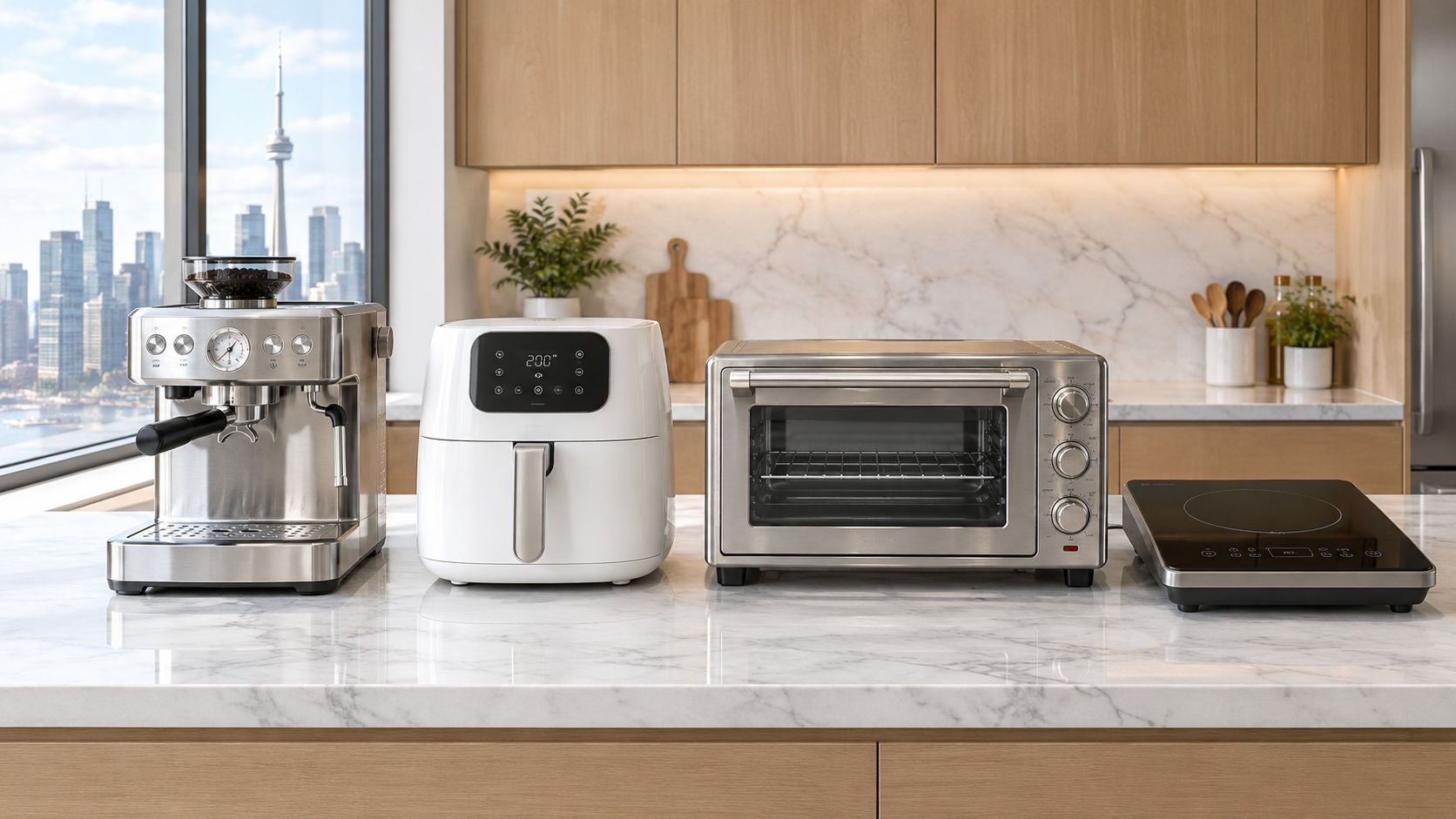
This product makes the most sense as part of a modest, space-conscious setup rather than as the centrepiece appliance. In a small kitchen, it sits well beside tools that each do one repetitive job reliably:
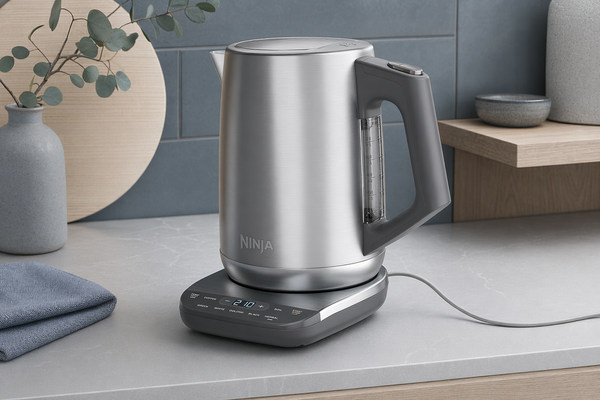
- A compact electric kettle for tea, coffee, and instant meals
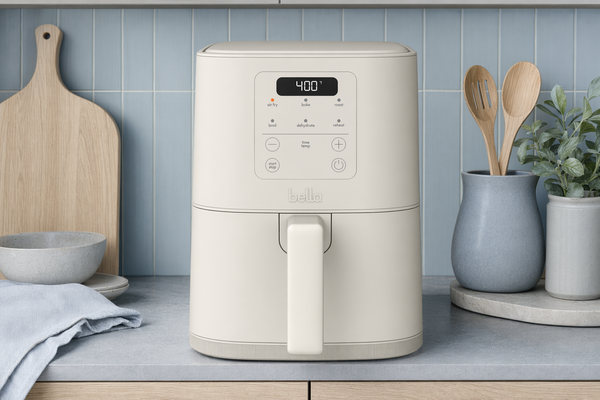
- A small air fryer for crisping proteins and frozen foods
- A basic microwave for reheating
- The Rice Robot Personal Rice Cooker PFAS-free for grains and simple steaming
That stack works particularly well in condos, dorm-adjacent apartments, basement suites, and RV setups where every square inch matters.
It also complements, rather than replaces, a larger appliance like an Instant Pot Duo Mini. If you already own a pressure multicooker, the question is not whether this can do more — it cannot. The question is whether you would rather use a tiny dedicated rice cooker for frequent small batches instead of hauling out a heavier pot with a more involved lid and program system. For plenty of people, the answer is yes. Convenience often wins over theoretical versatility.
If your kitchen already leans minimalist, this product fits best when rice or grains are part of your weekly routine. If rice is an occasional side dish once every two weeks, it may become another appliance that gets pushed behind the blender and forgotten.
The buying decision, in plain terms
Three questions usually make the answer clear.
- Do you actually cook small portions often enough to justify a dedicated appliance?
If rice, quinoa, oats, or steamed veg are regular weekday food, this makes more sense. If not, a pot may still be the simpler option. - Is PFAS-free ceramic a priority for you?
If that material choice is one of your main buying filters, this model has a clear appeal. If you do not care much about the coating, competing mini cookers may look similar in daily use. - Will the 1.2 liter size feel convenient or limiting?
For one person, it may be right-sized. For two hungry adults or anyone who likes leftovers, it may feel too small almost immediately.
If your answers are yes, yes, and convenient, this is a sensible little cooker; if not, step up to a larger rice cooker or a small multicooker instead.
Got Questions About the Rice Robot Personal Rice Cooker PFAS-free? Let's Clear Things Up.
Is this a hands-on review?
No. This is an informational explainer based on the product listing and the broader mini rice cooker category. The goal is to clarify what the listed features imply and who the appliance most likely fits.
What does it cost in Canada?
At the time of writing, the listing price is ~$50 CAD. Small kitchen appliance pricing moves around often on Amazon, so check the current listing before buying.
Where can I verify the current listing or buy it?
The easiest place to verify the current price, photos, and included accessories is the Amazon product page. You can check it here: Rice Robot Personal Rice Cooker PFAS-free on Amazon.
Is the Rice Robot just for rice?
Not necessarily. The listing points to grains more broadly and includes a stainless steel steamer tray plus a 60-recipe cookbook, which suggests uses beyond plain white rice. Realistically, though, it is still best understood as a rice-and-simple-steaming appliance, not a full cooker for every kitchen task.
What does PFAS-free actually mean here?
According to the listing, the cooker uses a PFAS-free ceramic non-stick surface. For many buyers, that is a meaningful material preference. It does not automatically tell you everything about durability, but it does distinguish the product from many low-cost cookers using more conventional non-stick coatings.
Is the 1.2 liter capacity enough for two people?
It can be, depending on portion size. For one person, it sounds appropriately sized; for two light eaters, it may work as a side-dish cooker. For two hungry adults or routine leftovers, it is safer to assume it will feel tight.
Does automatic stop mean it keeps food warm?
The listing specifically mentions automatic stop when rice is ready. That is not the same thing as a dedicated keep-warm mode unless the current spec page says so. If keep-warm matters to you, verify that detail on the retailer page before ordering.
Where is the Celmin Directory listing for this product?
For a catalog-style view of the same product — structured specs, pros and cons, similar picks, and FAQ — see Rice Robot Personal Rice Cooker PFAS-free on Celmin Directory.
If you're building a smarter home in Canada and want honest explainers on gadgets worth considering — plus the ones worth skipping — Celmin covers the full catalog without the marketing theater. More reviews, comparisons, and buyer guides at https://celmin.ca.
Discussion
Sign up or sign in to join the conversation.