
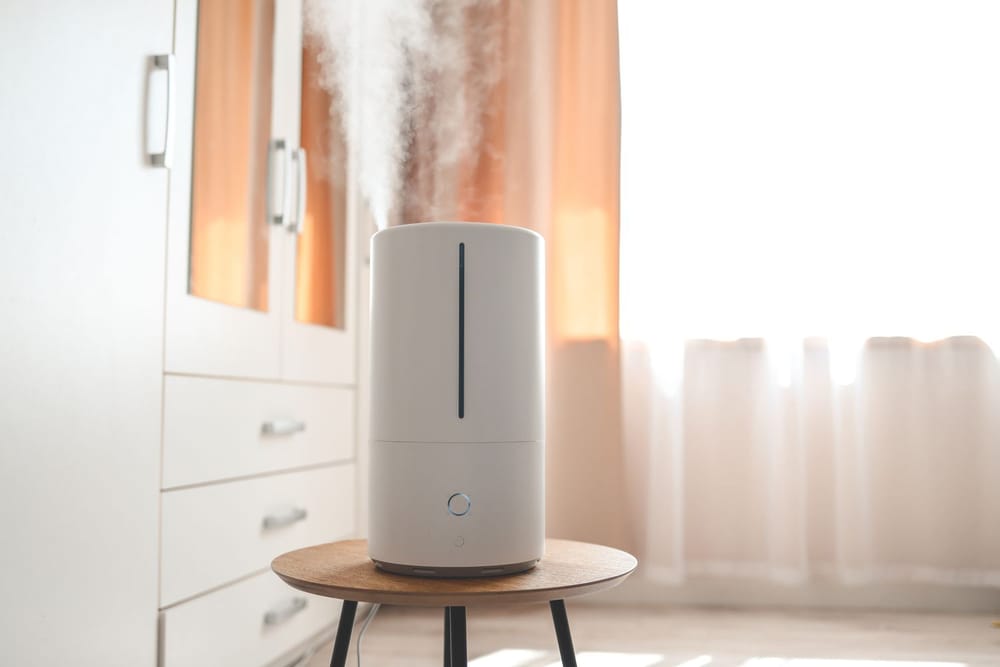

Dry air makes everything worse—cracked lips, bloody noses, scratchy throats, and restless sleep. Winter heating and air conditioning strip moisture from...
Dry air makes everything worse—cracked lips, bloody noses, scratchy throats, and restless sleep. Winter heating and air conditioning strip moisture from indoor air, often dropping humidity below 30%. Your body notices.
A bedroom humidifier restores moisture to comfortable levels (40-50%), helping you breathe easier and sleep better. The right one runs quietly, lasts through the night, and doesn't require constant refilling.
Let's find the humidifier that'll transform your sleep environment.
Humidifier Types Explained
Ultrasonic Humidifiers
Use vibrations to create cool mist.
- Pros: Very quiet, energy efficient, no filter needed
- Cons: Can leave white dust (mineral deposits), requires distilled water for best results
- Best for: Bedrooms, nurseries, quiet environments
Evaporative Humidifiers
Fan blows air through wet wick filter.
- Pros: Self-regulating, no white dust, uses tap water
- Cons: Louder, requires filter replacement, uses more energy
- Best for: Larger rooms, whole-house use
Warm Mist Humidifiers
Boils water to create steam.
- Pros: Kills bacteria, feels warmer, very quiet
- Cons: Hot water risk, uses more energy, slower humidification
- Best for: Cold climates, adults only (not safe for children)
Cool Mist vs Warm Mist
Both add the same moisture—the mist temperature equalizes quickly. Cool mist is safer (no burn risk) and more energy efficient. Warm mist feels cozier in winter.
For bedrooms, ultrasonic cool mist offers the best combination of quiet operation and effectiveness.
Top Bedroom Humidifiers for 2026
Best Overall: Levoit LV600S
Smart features with excellent performance.
- Type: Ultrasonic (warm and cool mist)
- Tank: 6L (1.5 gallons)
- Runtime: Up to 50 hours
- Features: App control, auto mode, humidity sensor, essential oil tray
- Noise: 28 dB
- Price: ~C$122
The LV600S offers both warm and cool mist, app control, and whisper-quiet operation. Auto mode maintains your target humidity.
Best Value: Honeywell HCM350
Proven evaporative technology.
- Type: Evaporative
- Tank: 3.8L (1 gallon)
- Runtime: Up to 24 hours
- Features: UV germ-killing, quiet operation, dishwasher-safe parts
- Noise: 35 dB
- Price: ~C$95
The UV technology kills bacteria in the water. Evaporative design means no white dust, even with tap water.
Best for Large Bedrooms: Levoit Classic 300S
High output for bigger spaces.
- Type: Ultrasonic
- Tank: 6L (1.5 gallons)
- Coverage: Up to 505 sq ft
- Features: Smart app, voice control, sleep mode
- Noise: 26 dB
- Price: ~C$135
Top-fill design makes refilling easy. Smart features let you control from bed or set schedules.
Best Compact: Pure Enrichment MistAire
Small footprint, big performance.
- Type: Ultrasonic
- Tank: 1.5L
- Runtime: Up to 25 hours
- Features: Optional night light, 360° mist nozzle
- Noise: 30 dB
- Price: ~C$54
Perfect for nightstands or small bedrooms. The optional night light doubles as ambient lighting.
Best for Nurseries: Crane Drop
Child-safe design with fun aesthetics.
- Type: Ultrasonic
- Tank: 3.8L (1 gallon)
- Runtime: Up to 24 hours
- Features: No filter needed, auto shut-off, whisper quiet
- Noise: 25 dB
- Price: ~C$68
The teardrop design is attractive and stable. No small parts or hot surfaces for child safety.
Bedroom Humidifier Comparison
| Humidifier | Type | Tank | Runtime | Noise | Price |
|---|---|---|---|---|---|
| Levoit LV600S | Ultrasonic | 6L | 50 hrs | 28 dB | C$122 |
| Honeywell HCM350 | Evaporative | 3.8L | 24 hrs | 35 dB | C$95 |
| Levoit Classic 300S | Ultrasonic | 6L | 60 hrs | 26 dB | C$135 |
| Pure Enrichment MistAire | Ultrasonic | 1.5L | 25 hrs | 30 dB | C$54 |
| Crane Drop | Ultrasonic | 3.8L | 24 hrs | 25 dB | C$68 |
Choosing the Right Size
Tank Size vs Runtime
Larger tanks run longer between refills:
| Tank Size | Typical Runtime | Refill Frequency |
|---|---|---|
| 1-2L | 10-20 hours | Daily |
| 3-4L | 20-30 hours | Every 1-2 days |
| 5-6L | 40-60 hours | Every 2-3 days |
Coverage Area
Match humidifier output to room size:
| Room Size | Recommended Output |
|---|---|
| Small (150 sq ft) | 1-2 gallons/day |
| Medium (300 sq ft) | 2-3 gallons/day |
| Large (500 sq ft) | 3-4 gallons/day |
For bedrooms, prioritize quiet operation and overnight runtime over maximum output.
Features That Matter for Sleep
Essential for Bedrooms
- Quiet operation: Under 35 dB (whisper level)
- Auto shut-off: When tank is empty
- Night mode/sleep mode: Dims lights, reduces noise
- Adequate runtime: 8+ hours minimum
Nice-to-Have Features
- Humidistat: Maintains target humidity automatically
- Top-fill design: Easier refilling
- Remote/app control: Adjust without getting up
- Timer: Set operation schedule
Features to Avoid
- Bright LED displays: Disrupt sleep
- Loud operation: Anything over 40 dB
- Small tanks: Require mid-night refilling
Preventing Common Problems
White Dust (Ultrasonic Only)
Caused by minerals in tap water. Solutions:
- Use distilled or demineralized water
- Use demineralization cartridge
- Choose evaporative humidifier instead
Mold and Bacteria Growth
Stagnant water breeds microorganisms. Prevention:
- Empty and dry tank daily
- Clean weekly with vinegar
- Replace filters as recommended
- Don't let water sit for days
Over-Humidification
Too much humidity causes condensation and mold. Prevention:
- Use humidistat to maintain 40-50%
- Don't run continuously without monitoring
- Watch for window condensation
Maintenance Schedule
Daily
- Empty remaining water
- Wipe tank dry if not refilling immediately
Weekly
- Deep clean tank with white vinegar
- Clean base and mist outlet
- Rinse thoroughly
Monthly
- Replace filters (evaporative models)
- Replace demineralization cartridges
- Inspect for mineral buildup
Seasonally
- Deep clean all components
- Dry completely before storage
- Replace worn parts
Humidifier Placement
Optimal Bedroom Placement
- Distance from bed: 3-6 feet
- Height: Elevated surface (nightstand, dresser)
- Direction: Mist pointing away from walls/furniture
- Surface: Waterproof tray underneath
Avoid Placing Near
- Electronics (moisture damage)
- Wood furniture (warping)
- Walls (condensation, mold)
- Heating vents (evaporates mist)
Got Questions About Bedroom Humidifiers? Let's Clear Things Up.
What humidity level is best for sleeping?
40-50% is ideal for sleep. Below 30% causes dry throat and nasal passages. Above 50% can promote mold and dust mites. Use a hygrometer to monitor levels.
How do I know if I need a humidifier?
Signs of low humidity: dry skin, chapped lips, static electricity, cracking wood furniture, frequent nosebleeds, worsening allergies or asthma. A hygrometer reading below 30% confirms the need.
Ultrasonic vs evaporative—which is quieter?
Ultrasonic humidifiers are significantly quieter (25-30 dB vs 35-45 dB). For bedrooms, ultrasonic is usually the better choice despite the white dust issue.
Can I use tap water in my humidifier?
In evaporative humidifiers, yes—the filter catches minerals. In ultrasonic humidifiers, tap water causes white dust. Use distilled water or a demineralization cartridge with ultrasonic models.
How often should I clean my humidifier?
Weekly at minimum. Stagnant water breeds bacteria and mold that get dispersed into the air you breathe. Daily emptying and weekly deep cleaning with vinegar prevents problems.
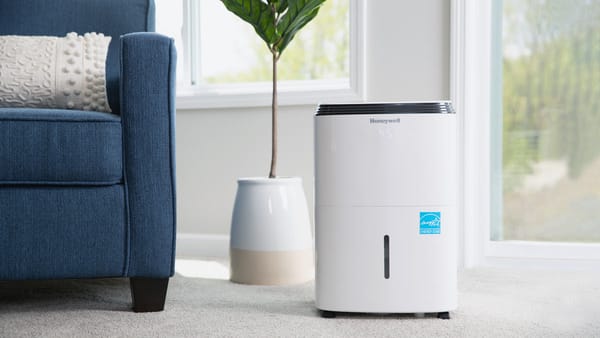
A bedroom humidifier improves sleep quality and reduces dry air discomfort. The Levoit LV600S offers the best combination of features and quiet operation, while the Honeywell HCM350 provides worry-free evaporative humidification. For removing excess moisture, see our dehumidifier guide, or check our air purifier recommendations for complete bedroom air quality.


Discussion
Sign up or sign in to join the conversation.