


WiFi 6 (802.11ax) isn't just marketing hype—it's a genuine leap forward in wireless networking. If you're still running an older router and wondering why...
WiFi 6 (802.11ax) isn't just marketing hype—it's a genuine leap forward in wireless networking. If you're still running an older router and wondering why your internet feels sluggish despite paying for fast speeds, upgrading to WiFi 6 might be the answer. More devices, faster speeds, better range, and improved performance in crowded environments.
Let me cut through the technical jargon and help you find the right WiFi 6 router for your home.
Why WiFi 6 Matters
WiFi 6 isn't just faster—it's smarter about handling multiple devices and congested networks.
Key Improvements Over WiFi 5
| Feature | WiFi 5 (802.11ac) | WiFi 6 (802.11ax) |
|---|---|---|
| Max Speed | ~3.5 Gbps | ~9.6 Gbps |
| Simultaneous Streams | 4 | 8 |
| Device Handling | Good | Excellent (OFDMA) |
| Battery Impact | Standard | Reduced (Target Wake Time) |
| Range | Good | Better |
| Congestion Handling | Moderate | Excellent |
Real-World Benefits
- More Devices: Handle 50+ devices without slowdown
- Better Streaming: 4K on multiple TVs simultaneously
- Improved Gaming: Lower latency, more consistent ping
- Smart Home Ready: IoT devices don't bog down the network
- Future-Proof: Ready for faster internet plans
WiFi 6 shines brightest in homes with many devices. If you have smart home gadgets, multiple streaming services, gamers, and remote workers under one roof, the upgrade is immediately noticeable.
Best WiFi 6 Routers for 2026
Best Overall: ASUS RT-AX86U Pro
The RT-AX86U Pro balances performance, features, and price better than anything else on the market.
Key Features:
- AX5700 Speeds: 861 Mbps (2.4GHz) + 4804 Mbps (5GHz)
- 2.5G WAN Port: Ready for multi-gig internet
- Gaming Features: Adaptive QoS, game acceleration
- AiMesh Compatible: Expand with additional ASUS routers
- Lifetime AiProtection: Built-in security by Trend Micro
Why It's Great: Exceptional range covers most homes without mesh. The 2.5G port future-proofs for faster internet plans. Gaming features work well even for non-gamers by prioritizing real-time traffic.
Coverage: Up to 2,500 sq ft Price: Around C$340
Best Value: TP-Link Archer AX55
Excellent WiFi 6 performance without the premium price.
Key Features:
- AX3000 Speeds: 574 Mbps (2.4GHz) + 2402 Mbps (5GHz)
- OneMesh Compatible: Add range extenders seamlessly
- HomeShield Security: Basic protection included
- OFDMA + MU-MIMO: Efficient multi-device handling
- Easy Setup: Tether app guides you through
Why It's Great: For most homes with standard gigabit internet, the AX55 delivers everything you need. The price-to-performance ratio is outstanding.
Coverage: Up to 2,000 sq ft Price: Around C$135
Best for Large Homes: Netgear Nighthawk RAXE500
When you need maximum coverage and speed, the RAXE500 delivers.
Key Features:
- WiFi 6E Support: Access to 6GHz band
- AXE11000 Speeds: Tri-band with massive throughput
- 12-Stream: Maximum simultaneous connections
- 2.5G Ethernet: Multi-gig wired connections
- Armor Security: Advanced threat protection
Why It's Great: The 6GHz band is completely uncongested, perfect for bandwidth-heavy tasks. Tri-band design means devices spread across bands efficiently.
Coverage: Up to 3,500 sq ft Price: Around C$680
Best for Gaming: ASUS ROG Rapture GT-AX6000
Purpose-built for gaming with features that reduce latency and prioritize game traffic.
Key Features:
- AX6000 Speeds: Dual-band powerhouse
- Triple-Level Game Acceleration: Device, server, and game packet prioritization
- 2.5G Dual Ports: WAN and LAN both support 2.5G
- Mobile Game Mode: Prioritizes mobile gaming traffic
- VPN Fusion: Run VPN and regular traffic simultaneously
Why It's Great: The game acceleration actually works—measurable latency reduction in online games. The aggressive design isn't for everyone, but performance is undeniable.
Coverage: Up to 3,000 sq ft Price: Around C$475
For mesh alternatives, check out our guide on how to set up mesh WiFi.
Best Mesh WiFi 6: Eero Pro 6E
When a single router won't cut it, Eero's mesh system blankets your home in coverage.
Key Features:
- WiFi 6E: Tri-band with 6GHz support
- TrueMesh: Intelligent routing between nodes
- Built-in Zigbee Hub: Smart home device support
- Eero Secure: Optional subscription for advanced features
- Simple Setup: Easiest mesh setup available
Why It's Great: Eero prioritizes simplicity without sacrificing performance. The built-in Zigbee hub is perfect for smart home enthusiasts. Coverage is consistent throughout.
Coverage: Up to 6,000 sq ft (3-pack) Price: Around C$680 (3-pack)
Understanding WiFi 6 Specs
Speed Ratings Explained
Router names like "AX3000" or "AX6000" indicate combined theoretical maximum speeds:
- AX3000: ~574 Mbps (2.4GHz) + ~2402 Mbps (5GHz)
- AX6000: ~1148 Mbps (2.4GHz) + ~4804 Mbps (5GHz)
Reality check: You'll never see these speeds. Real-world performance is typically 50-70% of theoretical maximums, and your internet plan caps actual throughput anyway.
Bands and Streams
- Dual-Band: 2.4GHz + 5GHz (most routers)
- Tri-Band: 2.4GHz + two 5GHz or 5GHz + 6GHz (premium routers)
- Streams: More streams = more simultaneous device capacity
Important Ports
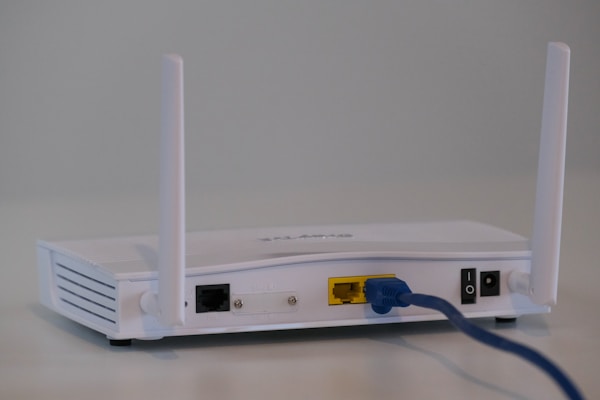
- WAN Port: Connects to modem (look for 2.5G for future-proofing)
- LAN Ports: Wired device connections (Gigabit minimum)
- USB: For network storage or printer sharing
Setting Up Your WiFi 6 Router
Basic Setup Steps
- Unplug old router and connect new router to modem
- Download manufacturer app (ASUS, TP-Link, Netgear, etc.)
- Follow setup wizard to configure network name and password
- Update firmware immediately after setup
- Reconnect devices to new network
Optimization Tips
- Placement: Central location, elevated, away from walls and appliances
- Channel Selection: Use auto or manually select least congested channel
- Band Steering: Enable to push capable devices to 5GHz
- QoS: Prioritize gaming, video calls, or streaming as needed
- Guest Network: Keep visitors off your main network
Security Essentials
- Change default admin password immediately
- Use WPA3 if all devices support it (WPA2/WPA3 mixed mode otherwise)
- Enable automatic updates for security patches
- Disable WPS (security vulnerability)
- Consider built-in security features (AiProtection, Armor, etc.)
Do You Actually Need WiFi 6?
Upgrade If:
- Your router is more than 4-5 years old
- You have 20+ connected devices
- You experience slowdowns with multiple users
- You have gigabit internet but don't see full speeds
- You're adding smart home devices
- You work from home and need reliable video calls
Wait If:
- Your current router works fine
- You have few devices and slow internet
- None of your devices support WiFi 6
- Budget is very tight
WiFi 6 vs WiFi 6E
WiFi 6E adds the 6GHz band—completely uncongested spectrum. Worth it if:
- You have WiFi 6E devices (newer phones, laptops)
- You live in a congested area (apartments)
- You need maximum performance for specific tasks
For most users, standard WiFi 6 is sufficient and more affordable.
Got Questions About WiFi 6 Routers? Let's Clear Things Up.
Will WiFi 6 make my internet faster?
WiFi 6 won't increase your internet plan speed, but it can help you achieve that speed more consistently. If you're paying for gigabit but only seeing 200 Mbps over WiFi, a WiFi 6 router might get you closer to 600-800 Mbps. The biggest improvement is handling multiple devices without slowdown.
Do I need WiFi 6 devices to benefit?
You'll see the biggest improvements with WiFi 6 devices, but older devices benefit too. WiFi 6 routers handle mixed networks more efficiently than older routers. Features like OFDMA improve performance for all connected devices, not just WiFi 6 ones.
How many devices can WiFi 6 handle?
Quality WiFi 6 routers handle 50+ devices comfortably. The OFDMA technology allows the router to communicate with multiple devices simultaneously rather than one at a time. This is why WiFi 6 excels in smart homes with dozens of IoT devices.
Is WiFi 6 better for gaming?
Yes, but not because of raw speed. Gaming benefits from lower latency and more consistent connections—both WiFi 6 strengths. Features like OFDMA reduce wait times for data transmission. Gaming-focused routers add QoS features that prioritize game traffic.
Should I get a router or mesh system?
Single routers work well for homes under 2,500 sq ft with open layouts. Mesh systems are better for larger homes, multi-story buildings, or layouts with many walls. Mesh costs more but provides more consistent coverage throughout.
Ready to upgrade your home network? Explore more networking guides at Celmin to optimize your connected home. https://celmin.ca



Discussion
Sign up or sign in to join the conversation.